- Ihr Warenkorb ist leer
- Weiter Einkaufen


£ 33.30
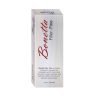
Bonetta-Filler Volume is a high-viscosity, robust cross-linked hyaluronic acid dermal filler containing 0.3% lidocaine. Engineered for deep structural augmentation, it provides exceptional elasticity and lifting capacity to restore lost facial volume, correct deep wrinkles, and contour prominent facial features.
Active Composition: Cross-linked sodium hyaluronate at a concentration of 24 mg/mL, combined with 3 mg/mL (0.3%) lidocaine hydrochloride for localized pain relief during deep tissue administration.
Proprietary Technology: Manufactured utilizing advanced cross-linking technology that optimizes high viscoelasticity, robust structural integrity, and gel cohesivity while minimizing residual chemical cross-linkers (BDDE) and impurities.
Therapeutic Class: Deep dermal / subcutaneous soft-tissue augmentation device / Hyaluronic acid volume filler.
Regulatory Status: Professional-use medical device requiring administration exclusively by trained medical or aesthetic practitioners.
High-Lift Structural Volumization: Bonetta Volume features a dense, highly cohesive gel matrix designed to withstand high compressive loads. It provides powerful lifting capacity to correct severe volume loss and structural depressions.
Gel Stability & Low Migration: The robust cross-linked network resists rapid enzymatic degradation and lateral spreading, ensuring that the product maintains its molded projection and stays securely within the targeted deep tissue plane.
Hydration Support: The hydrophilic hyaluronan matrix binds water molecules within the deep extracellular matrix to support underlying tissue hydration and structural resilience.
Indications:
Correction of deep facial wrinkles and folds (such as severe nasolabial folds and marionette lines).
Volumization and structural contouring of the cheeks, chin, and jawline.
Restoration of severe facial fat atrophy or deep structural contours.
Administration & Depth:
Supplied in sterile pre-filled syringes (typically 1.1 mL per syringe).
Injected strictly into the deep dermis, subcutaneous layer, or pre-periosteal plane using a fine-gauge needle or blunt-tip cannula via depot, fanning, or linear threading techniques.
Duration of Effect: Typically persists between 12 to 18 months, depending on individual metabolic rates, injection depth, and lifestyle factors.
Tissue Residency: The high cross-linking density and structural density provide maximum resistance to endogenous hyaluronidase breakdown, ensuring extended tissue residency suitable for a heavy volumetric filler.
Metabolism: Progressively degraded via normal physiological pathways into non-toxic components (glucuronic acid and N-acetylglucosamine), ultimately breaking down into water and carbon dioxide.
Local tissue responses reflect standard mechanical needle insertion and deep soft-tissue adjustment.
Common ( to ): Temporary injection site reactions including localized erythema, moderate swelling, tenderness, bruising, firmness, and palpable localized density.
Uncommon ( to ): Transient palpable nodules, temporary localized asymmetry, or minor contour irregularities.
Rare / Severe (<1/1,000): Severe hypersensitivity reactions, localized granuloma formation, deep tissue infection, or vascular compromise secondary to inadvertent intravascular placement in deep facial arteries.
Known hypersensitivity to hyaluronic acid or amide-type local anesthetics (lidocaine).
Active cutaneous infections, inflammatory skin conditions, or open lesions at the target site.
History of severe systemic allergies, anaphylaxis, or predisposition to hypertrophic scarring or keloids.
Pregnancy and breastfeeding.
Vascular Safety: Because Volume fillers are placed in deep anatomical planes where major facial arteries reside, clinicians must possess comprehensive anatomical knowledge, utilize aspiration techniques, and inject under low extrusion force to avoid intravascular occlusion.
Aseptic Handling: The syringe is intended for single-patient use only and must be handled under strict aseptic conditions.
Post-Procedure Care: Advise patients to avoid heavy pressure, intense friction, extreme temperatures (such as saunas, steam rooms, or intense UV exposure), makeup application for at least 12 hours, and strenuous physical exercise for 24 to 48 hours post-injection.


 English English
  German
 Italian
 Dutch
Dutch
 Spanish