- Tu carrito está vacío
- Continuar comprando


Rango de precios: £ 74.00 por £ 170.20
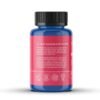
BioBloodVessels A-3 (frequently catalogued in international scientific literature and clinical compendia as peptide complex A-3, Ventfort, or vascular peptide bioregulator, with synthetic cytogen equivalents known as the tripeptide complex Lys-Glu-Asp or related vasculotrophic oligopeptides) belongs to the cytomax class of organ-specific biological response modifiers. Chemically, the natural active substance comprises a purified, low-molecular-weight polypeptide fraction isolated from the vascular wall tissue (predominantly the aorta and large arterial vessels) of young mammalian livestock, primarily bovine donors (Bos taurus). The extraction protocol utilises gentle acetic acid digestion coupled with sequential ultrafiltration to isolate polypeptide fractions with an upper molecular mass cut-off strictly restricted below $5\text{ to }10\text{ kDa}$. The biologically active fraction comprises ultra-short regulatory oligopeptides spanning 2 to 6 amino acid sequences, trace endogenous nucleopeptides, and tissue-specific vascular signalling motifs. Synthetic counterparts reproduce targeted sequences chemically—most commonly short di-, tri-, or tetrapeptide motifs—using solid-phase peptide synthesis. The finished preparation is presented in hard gelatin or hydroxypropyl methylcellulose (HPMC) capsules containing standard pharmaceutical excipients, such as microcrystalline cellulose, lactose, and calcium stearate.
Within the United Kingdom regulatory framework, BioBloodVessels A-3 possesses no marketing authorisation (MA) from the Medicines and Healthcare products Regulatory Agency (MHRA). It is not catalogued in the British National Formulary (BNF) and is not scheduled as a Prescription Only Medicine (POM), Pharmacy (P) medicine, or General Sales List (GSL) drug under the Human Medicines Regulations 2012. Within the UK, this product is commercialised strictly as a non-medicinal food supplement or chemical research material governed by the Food Safety Act 1990 and the Nutrition and Health Claims (England) Regulations. In accordance with domestic trading standards and statutory food supplement legislation, commercial distributors are legally prohibited from articulating therapeutic or medicinal claims concerning the prevention, diagnosis, mitigation, or treatment of clinically established vascular pathologies (such as atherosclerosis, peripheral arterial disease [PAD], thoracic or abdominal aortic aneurysms, essential or secondary hypertension, deep vein thrombosis [DVT], chronic venous insufficiency [CVI], or diabetic microangiopathy).
The pharmacodynamic profile of BioBloodVessels A-3 is rooted in the tissue-specific epigenetic model of short-chain peptide bioregulation, operating primarily via nuclear transactivation, extracellular matrix modulation, and cellular homeostasis within vascular endothelial cells and vascular smooth muscle cells (VSMCs):
Epigenetic and Transcriptional Regulation: Due to low molecular mass, compact hydrodynamic volume, and neutral-to-amphiphilic surface charges, the ultra-short oligopeptides in BioBloodVessels A-3 cross the vascular lumen and diffuse through the internal elastic lamina into endothelial cells and VSMCs. They translocate across the nuclear pore complex into the nucleoplasm, where they bind site-specifically to complementary nucleotide sequences within the major and minor grooves of double-stranded genomic DNA and nucleosomal core histones. This interaction alters nucleosomal packaging, facilitates chromatin unwinding from transcriptionally inactive heterochromatin to open euchromatin, and recruits RNA polymerase II, modulating the transcription of structural and functional genes essential for vascular wall cytoarchitecture and tone regulation.
Endothelial Homeostasis and Nitric Oxide Modulation: In vitro and animal models demonstrate that vascular peptides stimulate the transcriptional synthesis of endothelial nitric oxide synthase (eNOS / NOS3), promoting basal and agonist-stimulated production of nitric oxide ($NO$). This enhances cyclic guanosine monophosphate (cGMP)-mediated vascular smooth muscle relaxation, counteracting pathological vasoconstriction and maintaining physiological flow-mediated dilatation without inducing profound systemic hypotension.
Extracellular Matrix (ECM) Synthesis and Structural Integrity: Within the tunica media and tunica adventitia, vascular peptide bioregulators support the homeostatic transcription of functional elastomeric and structural proteins, including tropoelastin, fibrillin-1, and type III collagen. Concurrently, they modulate the balance between matrix metalloproteinases (principally MMP-2 and MMP-9) and tissue inhibitors of metalloproteinases (TIMPs), helping preserve aortic elastance, reduce pathological arterial stiffness, and attenuate age-related fragmentation of internal elastic laminae.
Cytoprotection and Anti-Atherogenic Modulation: Exposure to vascular peptide fractions reduces endothelial apoptosis induced by oxidised low-density lipoprotein (ox-LDL), advanced glycation end-products (AGEs), or shear-stress injury. This cytoprotective action is mediated by downregulating pro-apoptotic executioners (caspase-3 and Bax), preserving mitochondrial inner membrane integrity ($\Delta\Psi_m$), suppressing intercellular adhesion molecule-1 (ICAM-1) and vascular cell adhesion molecule-1 (VCAM-1) expression, and upregulating endogenous enzymatic antioxidants, notably superoxide dismutase (SOD) and glutathione peroxidase within the vessel wall.
BioBloodVessels A-3 possesses no approved clinical indications in the United Kingdom. No randomized, double-blind, multicentre clinical trials meeting the statutory criteria of the MHRA have been conducted to establish clinical efficacy, therapeutic reproducibility, or vascular toxicological safety profiles.
The National Institute for Health and Care Excellence (NICE) does not endorse, recommend, or integrate BioBloodVessels A-3 into any formal clinical pathway. It is entirely absent from clinical guidelines governing cardiovascular disease: risk assessment and reduction (NG238), peripheral arterial disease: diagnosis and management (CG147), hypertension in adults: diagnosis and management (NG136), and varicose veins: diagnosis and management (CG168).
The application of BioBloodVessels A-3 is confined strictly to non-clinical consumer wellness contexts and preliminary laboratory research. In exploratory literature and private functional health sectors, it is investigated for:
Supporting functional physiological resilience of the vascular system during non-pathological, age-related arterial stiffening (arteriosclerosis).
Complementary nutritional support during convalescence following intense athletic conditioning or heavy physical exertion.
Maintenance of baseline microvascular capillary reserve and endothelial responsiveness in ageing cohorts.
Preclinical animal models examining aortic elastic lamina preservation, reduced lipid streak accumulation, and stabilization of vascular smooth muscle phenotype under conditions of experimental hypercholesterolaemia or mechanical injury.
BioBloodVessels A-3 holds no status within the NHS drug tariff, cannot be prescribed on NHS prescription forms (FP10), and must never replace validated clinical treatments, including lipid-lowering statins, renin-angiotensin-aldosterone system (RAAS) inhibitors (ACE inhibitors, ARBs), calcium channel blockers, thiazide-like diuretics, antiplatelet therapies (e.g., clopidogrel, aspirin), or surgical and endovascular revascularisation protocols (e.g., peripheral angioplasty, surgical bypass).
Because BioBloodVessels A-3 is formulated as an oral capsule, its pharmacokinetic disposition is determined by gastrointestinal transport and physiological peptide clearance kinetics:
Absorption: Crude protein macromolecules undergo extensive cleavage in the stomach by pepsin and in the small intestine by pancreatic endopeptidases (trypsin, chymotrypsin). However, the ultra-short di-, tri-, and tetrapeptides present in BioBloodVessels A-3 exhibit structural resistance to complete brush-border aminopeptidase degradation. These intact short peptide sequences cross the apical enterocyte membrane into the portal circulation via the low-affinity, high-capacity proton-coupled peptide transporter 1 (PEPT1). Peak plasma concentrations ($T_{max}$) of intact circulating oligopeptides typically occur within 20 to 50 minutes following oral ingestion.
Distribution: Following mesenteric absorption and portal transit, the peptides enter the systemic vascular compartment. With a low molecular weight and hydrophilic properties, the apparent volume of distribution ($V_d$) corresponds closely to total extracellular fluid volume. Preclinical biodistribution assays demonstrate selective tropism toward vascular endothelial and medial smooth muscle compartments across large conduit arteries, muscular arterioles, and microcirculatory networks. Plasma protein binding is negligible ($<5\%$).
Biotransformation: BioBloodVessels A-3 does not undergo hepatic clearance via the cytochrome P450 (CYP450) microsomal monooxygenase system (e.g., CYP1A2, CYP2D6, CYP3A4). Systemic clearance is mediated entirely by circulating plasma aminopeptidases, carboxypeptidases, and cellular endopeptidases, which rapidly hydrolyse peptide bonds into native constituent individual L-amino acids (such as L-lysine, L-glutamic acid, and L-aspartic acid). These amino acids enter endogenous amino acid turnover and protein synthesis pools.
Elimination: Systemic elimination of intact peptides is rapid, with an effective half-life ($t_{1/2}$) ranging between 15 and 60 minutes. Direct renal excretion of intact macromolecular peptides is negligible; end-stage metabolites are cleared as urinary urea, with trace carbon atoms exhaled as carbon dioxide via respiratory gas exchange.
The primary physiological effect documented in preclinical investigations is the normalization of vascular wall tone and structural compliance, characterized by improved flow-mediated vasodilatation, stabilization of pulse wave velocity (PWV), preservation of medial laminar elastic architecture during experimental stress, and reduced endothelial oxidative markers. In animal models of experimental hypertension or endothelial denudation, these agents demonstrate structural maintenance of the internal elastic lamina, reduced intimal hyperplasia, and preserved capillary perfusion without causing acute systemic vasodilatory shock or refractory hypotension.
Because BioBloodVessels A-3 has not undergone structured, large-scale Phase I–IV clinical pharmacovigilance surveillance, documentation of adverse drug reactions is derived primarily from observational cohorts and preclinical animal toxicology:
Very Common ($\ge 1/10$): None documented in clinical literature.
Common ($1/100$ to $<1/10$): Mild, self-limiting gastrointestinal symptoms following oral intake, including transient nausea, epigastric fullness, mild dyspepsia, and abdominal bloating.
Uncommon ($1/1,000$ to $<1/100$): Transient sensations of mild cephalalgia; mild peripheral cutaneous flushing; mild, localized cutaneous pruritus or macular rash; transient subjective sensations of lightheadedness.
Rare ($1/10,000$ to $<1/1,000$): Type I immediate allergic hypersensitivity reactions (urticaria, angioedema, or bronchospasm), principally triggered in atopic individuals sensitized to bovine structural protein residues.
Biological and Diagnostic Hazards: Unregulated preparations derived from non-certified mammalian sources carry theoretical risks of transmissible spongiform encephalopathies (TSE/BSE) if origin verification is absent. Crucially, self-administering unlicensed bioregulators to manage progressive intermittent claudication, sudden unilateral calf swelling, severe hypertension, or ischemic rest pain presents a critical clinical hazard by potentially delaying diagnostic evaluation for acute limb ischaemia, critical limb-threatening ischaemia, deep vein thrombosis (DVT), aortic dissection, or expanding aortic aneurysm.
The handling and administration of BioBloodVessels A-3 require strict adherence to fundamental cardiovascular, vascular surgical, and pharmacological safety parameters:
Contraindications:
Documented hypersensitivity or history of allergic anaphylaxis to bovine-derived biological substances, gelatin, or any formulation excipients.
Acute aortic dissection or symptomatic aortic aneurysm: Absolute contraindication as a self-care measure; acute aortic catastrophes require emergency hospitalisation, strict invasive blood pressure control, and emergency surgical or endovascular repair.
Acute limb ischaemia and acute arterial thrombosis: Absolute contraindication as a standalone therapeutic option; sudden onset of the “6 Ps” (pain, pallor, pulselessness, perishing cold, paraesthesia, paralysis) mandates emergency vascular surgical exploration or catheter-directed thrombolysis.
Active, severe deep vein thrombosis or pulmonary embolism: Absolute contraindication as self-care; acute venous thromboembolism requires immediate therapeutic anticoagulation according to NICE pathways.
Primary and metastatic vascular neoplasms: Absolute contraindication in patients with known or suspected angiosarcoma, hemangioendothelioma, or Kaposi sarcoma. Modulating transcriptional activity, endothelial viability, or angiogenic signalling in neoplastic tissue is clinically hazardous.
Pregnancy and lactation: Absolute contraindication due to an absence of embryotoxicity, teratogenicity, and developmental reproductive safety data, alongside unknown secretion into human breast milk.
Paediatric population: Contraindicated in infants, children, and adolescents under 18 years due to an absence of safety and developmental data in the maturing paediatric vascular tree.
Drug Interactions:
Prescription Antihypertensive Medications (e.g., ACE inhibitors, ARBs, calcium channel blockers, beta-blockers): No direct pharmacokinetic interactions via CYP450 enzymes have been documented; however, theoretical additive effects on vascular tone warrant blood pressure monitoring. Patients must never alter, reduce, or stop their prescribed antihypertensive regimens.
Anticoagulants and Antiplatelet Therapies (e.g., warfarin, DOACs, clopidogrel, aspirin): Concomitant administration is not known to alter direct coagulation cascade factors or international normalised ratio (INR), but routine clinical surveillance remains standard in patients with high thrombotic or haemorrhagic risks.
Cytochrome P450 interactions: There are no documented pharmacokinetic induction or inhibition interactions with hepatic CYP450 isoenzymes.
Clinical Precautions:
Vascular Alarm Symptoms (“Red Flags”): Patients presenting with red flag vascular symptoms—such as sudden tearing chest or back pain, acute cold and pulseless limb, non-healing foot ulcers with pain waking the patient at night (rest pain), unilateral painful leg swelling, or sudden visual loss (amaurosis fugax)—mandate immediate emergency 999/A&E attendance rather than self-directed supplementation.
Vascular Diagnostic Workup: Individuals experiencing exertional calf cramping, persistent cold extremities, or uncontrolled blood pressure readings require formal clinical evaluation—including ankle-brachial pressure index (ABPI), duplex arterial ultrasonography, 24-hour ambulatory blood pressure monitoring (ABPM), and cardiovascular risk scoring (QRISK3)—prior to exploring non-medicinal products.
Source Purity: Clinicians and researchers must verify that natural mammalian extracts possess documented batch-specific certification confirming extraction from BSE-free herds and compliance with UK/EU biological safety criteria.
| Cantidad | 20 Caps, 60 Caps |
|---|
 English English
  German
 Italian
 Dutch
Dutch
 Spanish



Reseñas
Todavía no hay reseñas.