- Tu carrito está vacío
- Continuar comprando


£ 103.60
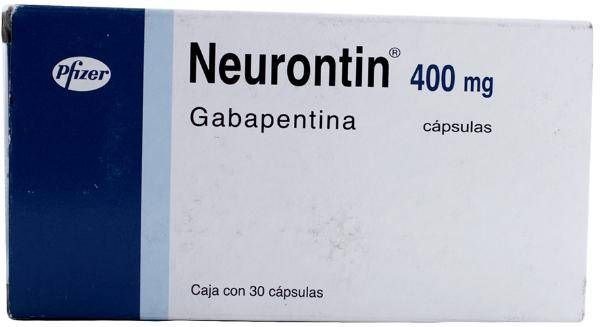
Neurontin 400 mg (gabapentin) is a high-strength anticonvulsant and gabapentinoid medication indicated for the management of epilepsy and neuropathic pain states. It acts primarily by modulating voltage-gated calcium channels in the central nervous system.
Gabapentin is a structural analog of the inhibitory neurotransmitter gamma-aminobutyric acid (), classified chemically as 1-(aminomethyl)cyclohexaneacetic acid. Although structurally related to , it does not bind to o receptors, nor does it convert metabolically into . Under the Anatomical Therapeutic Chemical (ATC) system, gabapentin is indexed under N03AX12.
Neurontin 400 mg represents a high-strength oral capsule formulation. While historically classified outside traditional controlled substance schedules in many regions, gabapentin is increasingly regulated as a controlled medication or subject to strict prescribing oversight internationally due to growing recognition of its misuse and dependence potential.
Gabapentin modulates central nervous system neurotransmission primarily through high-affinity binding to auxiliary subunits of voltage-gated calcium channels:
Subunit Binding: Binds selectively to the subunit of voltage-gated calcium channels in the central nervous system.
Reduction of Calcium Influx: Blocks the trafficking and membrane insertion of calcium channels, decreasing presynaptic influx of calcium ions into neuronal terminals.
Suppression of Excitatory Neurotransmitters: Inhibits the depolarization-induced release of excitatory neurotransmitters (such as glutamate, substance P, and norepinephrine), dampening central neuronal hyperexcitability involved in seizure generation and neuropathic pain signaling.
Licensing for Neurontin 400 mg includes:
Epilepsy: Adjunctive therapy in the treatment of partial seizures with or without secondary generalization in adults and children aged 3 years and older.
Neuropathic Pain: Management of neuropathic pain (such as post-herpetic neuralgia and painful diabetic peripheral neuropathy) in adults.
Dosing & Administration Regimen:
Flexible Titration: Gabapentin requires careful upward titration starting from lower doses (e.g., 300 mg on day 1, 600 mg on day 2, split into multiple daily doses) to minimize central nervous system adverse effects like somnolence and dizziness.
Maintenance Utilization: The 400 mg capsule is commonly utilized during mid-to-high maintenance dosing to achieve total daily therapeutic targets (ranging from 900 mg to 3,600 mg daily divided into three doses).
Renal Adjustment: Because gabapentin is eliminated exclusively by the kidneys, dosage must be reduced and adjusted in patients with impaired renal clearance.
Absorption: Absorption is non-linear and saturable; oral bioavailability decreases as the dose increases (e.g., ~60% for a 300 mg dose versus ~35% for a 400 mg or higher dose). Peak plasma concentrations () are attained within 2 to 3 hours ().
Distribution: Not bound to plasma proteins (). Has a low apparent volume of distribution and crosses the blood-brain barrier.
Biotransformation: Gabapentin is not appreciably metabolized in humans. It does not induce or inhibit hepatic Cytochrome P450 enzymes, resulting in a very low profile of pharmacokinetic drug-drug interactions.
Elimination: Excreted entirely unchanged as the parent drug via the kidneys in urine. The elimination half-life () is independent of dose and averages 5 to 7 hours in patients with normal renal function.
Gabapentin depresses central nervous system processing, affecting motor coordination, balance, and cognitive speed.
Very Common (): Somnolence, dizziness, ataxia, fatigue, peripheral edema.
Common ( to ): Nausea, vomiting, dry mouth, blurred vision, nystagmus, tremor, dysarthria, memory loss, weight gain, asthenia, infection, behavioral changes (in pediatric patients).
Uncommon ( to ): Palpitations, hypesthesia, mood fluctuations, agitation, depression, rhinitis, erectile dysfunction.
Rare / Severe (<1/1,000): Severe respiratory depression (particularly when combined with opioids or in vulnerable patients), severe hypersensitivity reactions (DRESS syndrome), acute pancreatitis, hallucinations, and withdrawal syndrome upon abrupt cessation.
Known hypersensitivity to gabapentin or any formulation excipients.
Active, severe respiratory depression or unmonitored respiratory compromise (relative contraindication when combined with central depressants).
Opioids (e.g., Morphine, Oxycodone): Concomitant administration can cause additive central nervous system depression, leading to profound somnolence, respiratory depression, sedation, and fatal overdose.
Antacids (Magnesium & Aluminum Hydroxide): Bioavailability of gabapentin is reduced by approximately 20% when administered alongside aluminum- and magnesium-containing antacids; separate dosing by at least 2 hours.
Alcohol & CNS Depressants: Enhances sedation, psychomotor impairment, and respiratory depression.
Respiratory Depression Risk: FDA and MHRA warnings highlight risks of severe, life-threatening respiratory depression in patients taking gabapentinoids who have underlying respiratory risk factors, elderly status, or concurrent opioid use.
Withdrawal & Discontinuation: Abrupt discontinuation after chronic therapy can trigger an acute withdrawal syndrome characterized by anxiety, insomnia, nausea, sweating, and precipitation of status epilepticus. Taper gradually over a minimum of 1 week.
Renal Function Monitoring: Regular monitoring of creatinine clearance is mandatory, as impaired kidney function leads to drug accumulation and severe neurotoxicity (myoclonus, encephalopathy).


 English English
  German
 Italian
 Dutch
Dutch
 Spanish