- Tu carrito está vacío
- Continuar comprando


£ 221.26
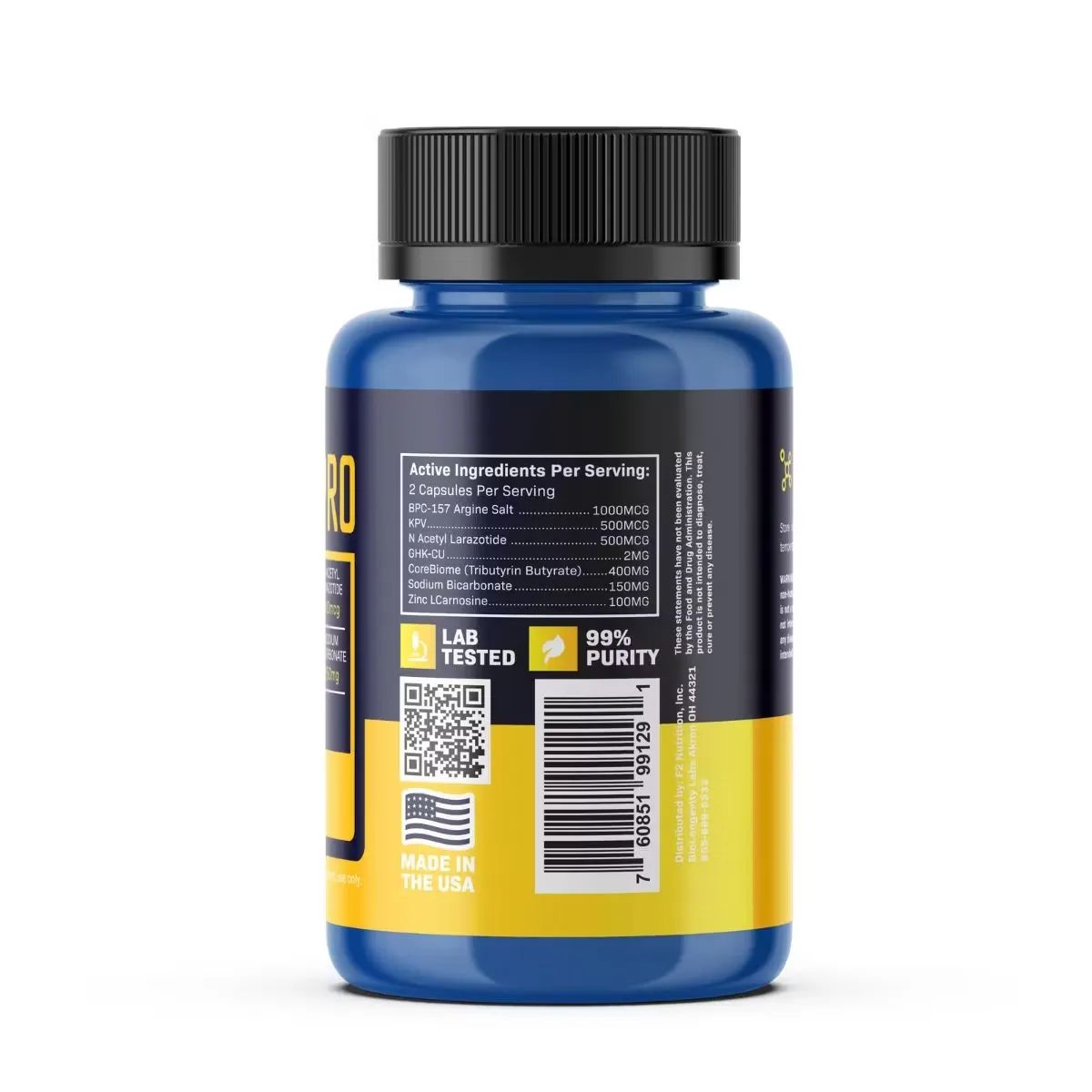
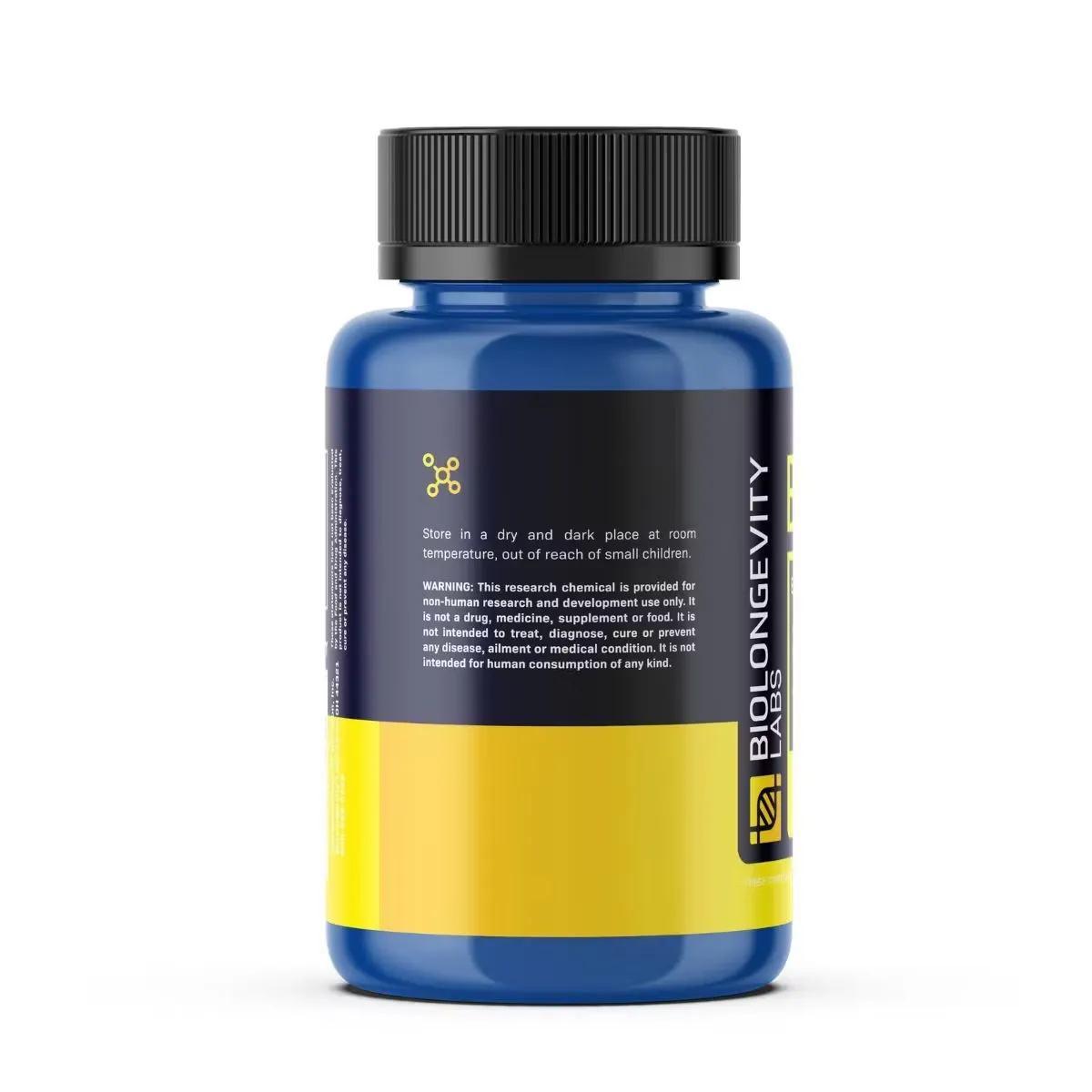
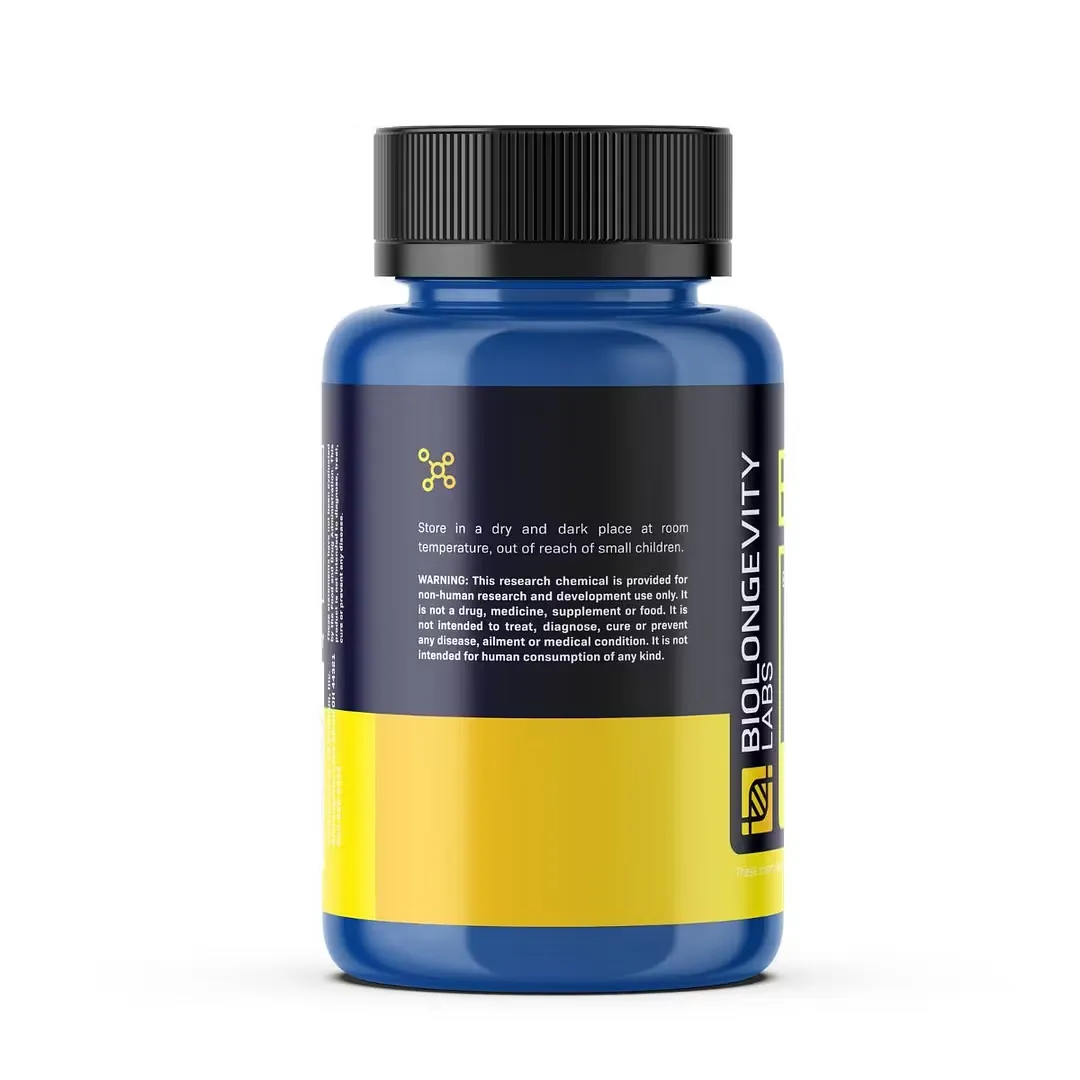
Unlicensed multi-strain oral synbiotic formulation combining viable lactic acid bacteria, bifidobacteria, and prebiotic oligosaccharides for colonic fermentation, mucosal barrier support, and microbiome modulation.
BioGutPro is an unlicensed, multi-strain oral synbiotic complex formulated to modify the human gastrointestinal microbiome and reinforce mucosal epithelial integrity. Chemically and biologically, the preparation integrates viable lyophilised bacterial cultures, yeast fractions, prebiotic non-digestible oligosaccharides, and botanical mucosal protectants:
Lactic Acid Bacteria (LAB) Consortium: Standardised viable lyophilised cultures of Lactobacillus y Lacticaseibacillus species (principally Lactobacillus acidophilus, Lacticaseibacillus rhamnosus, y Lactiplantibacillus plantarum), characteristically Gram-positive, non-spore-forming microaerophilic rods capable of fermenting hexose sugars into lactic acid.
Bifidobacteria Complex: Species including Bifidobacterium lactis, Bifidobacterium longum, y Bifidobacterium bifidum, anaerobic, non-motile Gram-positive branched rods that metabolise hexoses exclusively via the “bifid shunt” (fructose-6-phosphate phosphoketolase pathway) to yield acetate and lactate in a $3:2$ theoretical molar ratio.
Soil-Based Organisms (Spore-Forming Bacilli): Heat- and acid-stable endospores of Bacillus coagulans o Bacillus subtilis, capable of surviving gastric transit before germinating into metabolically active vegetative cells within the small intestine.
Prebiotic and Cytoprotective Excipients: Non-digestible fermentable oligosaccharides (short-chain fructo-oligosaccharides [FOS], inulin, and galacto-oligosaccharides [GOS]) serving as selective metabolic substrates for commensal bifidobacteria, alongside zinc-L-carnosine and deglycyrrhizinated liquorice (DGL) extract.
Finished commercial presentations typically specify viable colony-forming units (CFU)—commonly standardized between $20\text{ to }50\text{ billion CFU}$ per oral capsule dose—encapsulated within acid-resistant delayed-release hypromellose (HPMC) or gellan gum shells.
Within the United Kingdom regulatory framework, BioGutPro possesses no marketing authorisation (MA) from the Medicines and Healthcare products Regulatory Agency (MHRA). It is not listed in the British National Formulary (BNF) and is not scheduled as a Prescription Only Medicine (POM), Pharmacy (P) medicine, or General Sales List (GSL) drug under the Human Medicines Regulations 2012. Within the UK, the product is marketed strictly as a non-medicinal food supplement governed by the Food Safety Act 1990 and the Nutrition and Health Claims (England) Regulations. Manufacturers and commercial distributors are legally prohibited from articulating medicinal or therapeutic claims concerning the treatment, mitigation, cure, or diagnosis of established organic gastrointestinal pathologies, including Crohn’s disease, ulcerative colitis, coeliac disease, acute diverticulitis, or Clostridioides difficile enterocolitis.
The pharmacodynamic actions of BioGutPro depend on bacterial competitive exclusion, short-chain fatty acid (SCFA) biosynthesis, immune modulation, and tight-junction restoration:
Short-Chain Fatty Acid (SCFA) Production: Colonic microbial fermentation of prebiotic inulin and oligosaccharides by Bifidobacterium y Lactobacillus strains generates high concentrations of SCFAs, primarily acetate, propionate, and butyrate. Butyrate serves as the primary metabolic fuel substrate for colonic epithelial cells (colonocytes), providing up to 70% of their total energy requirements via mitochondrial beta-oxidation. This accelerates colonocyte cellular turnover, prevents mucosal atrophy, and upregulates the expression of tight-junction structural proteins (claudin-1, occludin, and zonula occludens-1 [ZO-1]), decreasing pathological paracellular permeability (“leaky gut”).
Luminal Acidification and Competitive Exclusion: Bacterial conversion of carbohydrates into lactic acid and acetic acid lowers the local luminal microenvironmental pH ($<5.5$). Acidification creates an inhospitable terrain for acid-sensitive pathogenic enterobacteria (e.g., enterotoxigenic Escherichia coli, Salmonella enterica, y Klebsiella pneumoniae). Furthermore, colonising commensals compete for mucosal binding sites on intestinal enterocyte glycoproteins and deplete essential luminal nutrients required by opportunistic pathogens.
Synthesis of Antimicrobial Peptides (Bacteriocins): Specific strains (L. plantarum, B. subtilis) synthesize and secrete ribosomally synthesized antimicrobial peptides (bacteriocins, such as plantaricin and subtilin) and hydrogen peroxide ($H_2O_2$). These agents disrupt the cell envelopes of competing Gram-positive and Gram-negative organisms by pore formation, dissipating membrane electrical potential and arresting pathogen replication.
Immunomodulation and Gut-Associated Lymphoid Tissue (GALT) Signalling: Peptidoglycans, lipoteichoic acids, and unmethylated CpG DNA motifs from probiotic strains interact directly with pattern recognition receptors (Toll-like receptors TLR-2, TLR-4, and TLR-9) on dendritic cells and intestinal macrophages within Peyer’s patches. This interaction dampens pro-inflammatory NF-$\kappa$B activation, stimulates regulatory T-cell ($T_{reg}$) differentiation, increases the secretion of anti-inflammatory interleukin-10 (IL-10), and upregulates the trans-epithelial transport of secretory immunoglobulin A (sIgA), neutralizing luminal toxins and viral particles.
BioGutPro possesses no approved clinical indications in the United Kingdom. No randomized, double-blind, multicentre Phase I–III clinical trials conforming to MHRA statutory criteria have evaluated this proprietary multi-strain complex for therapeutic safety or clinical efficacy.
The National Institute for Health and Care Excellence (NICE) does not endorse, recommend, or integrate BioGutPro into any NHS clinical management pathway. It is absent from clinical guidelines governing Crohn’s disease (NG129), ulcerative colitis (NG130), and coeliac disease (NG20). While NICE guideline CG61 (Irritable bowel syndrome in adults: diagnosis and management) recognizes that patients choosing to trial probiotics should be advised to monitor symptoms while taking a consistent product for at least 4 weeks, no specific commercial formulation is prescribed on the NHS. For validated indications such as recurrent C. difficile infection, NHS tertiary pathways utilize licensed faecal microbiota transplant (FMT) products or narrow-spectrum targeted antimicrobials (fidaxomicin, vancomycin).
The practical application of BioGutPro is confined entirely to non-clinical consumer health supplementation, private nutritional practice, and athletic digestive support. In these non-medicinal settings, it is utilized for:
Self-directed dietary support for functional gastrointestinal symptoms, such as bloating, postprandial fullness, and irregular bowel habits in irritable bowel syndrome (IBS).
Mitigation of antibiotic-associated gastrointestinal disturbance (AAD) following oral antimicrobial courses.
Recovery of digestive balance during high-caloric feeding regimens or acute dietary transitions in athletic populations.
BioGutPro holds no status within the NHS drug tariff, cannot be prescribed on NHS prescription forms (FP10), and must never be substituted for evidence-based clinical therapies in established inflammatory bowel disease or infectious enteritis.
Because BioGutPro is a biological preparation containing live microorganisms and non-absorbable prebiotics, classic small-molecule pharmacokinetics (serum absorption, hepatic biotransformation, and renal clearance) do not apply to the active constituents:
Gastric Survival and Small-Intestinal Transit: Following oral ingestion, the viable bacteria must traverse the low pH environment of the stomach and exposure to bile salts in the duodenum. While spore-forming organisms (Bacillus species) resist gastric acid degradation, vegetative Lactobacillus y Bifidobacterium strains undergo variable attrition. Formulations utilize enteric hypromellose coatings to delay capsule disintegration until entering the neutral-to-alkaline pH of the jejunum and ileum.
Mucosal Adhesion and Colonisation Dynamics: Once released, bacteria adhere transiently to the colonic mucosal mucus layer via surface layer proteins, pili, and mucus-binding proteins (MUBs). Probiotic strains do not permanently colonise the host adult microbiome; instead, they persist transiently as an active metabolic cohort for 3 to 14 days post-ingestion.
Metabolism: Prebiotic inulin and FOS resist human salivary, gastric, and pancreatic enzymatic hydrolysis, passing intact into the caecum and colon, where they undergo complete anaerobic bacterial fermentation into short-chain fatty acids, carbon dioxide ($CO_2$), hydrogen ($H_2$), and methane ($CH_4$). Trace botanical constituents (DGL, zinc-carnosine) undergo local mucosal interaction and partial hepatic conjugation.
Elimination: Non-adherent and shed bacterial cells are eliminated continuously in the faeces. Discontinuation of oral dosing results in complete clearance of supplemental strains from stool samples within 1 to 3 weeks, with the patient’s native, host-specific climax microbiome returning to baseline equilibrium.
The primary physiological effect reported in non-clinical studies is an improvement in subjective gastrointestinal comfort, normalization of stool consistency, and modulation of faecal calprotectin and SCFA concentrations. However, manipulating the intestinal luminal biome introduces a clear spectrum of adverse effects:
Very Common ($\ge 1/10$):
Transient abdominal distension, flatulence, and audible borborygmi (secondary to rapid gas production [$CO_2$, $H_2$] during bacterial fermentation of prebiotic oligosaccharides in the early days of administration).
Common ($1/100$ to $<1/10$):
Mild dyspepsia, transient alterations in bowel transit frequency (temporary loose stools or mild constipation), and mild lower abdominal cramping.
Uncommon ($1/1,000$ to $<1/100$):
Cephalalgia (headache), transient cutaneous eruptions or pruritus, and localized nausea.
Severe and Critical Clinical Toxicities (Rare but Fatal Hazards):
Systemic Bacteraemia, Fungemia, and Sepsis: Live microbial cultures administered to vulnerable patient cohorts can translocate across a damaged gut barrier into the portal and systemic circulation. Documented cases of Lactobacillus endocarditis, Bacillus bacteremia, and liver abscess formation have occurred in immunosuppressed individuals, intensive care patients, and those with indwelling central venous access.
Small Intestinal Bacterial Overgrowth (SIBO) Exacerbation: Administering high-dose prebiotic fibers and live organisms to individuals with impaired small-bowel motility (e.g., scleroderma, diabetic autonomic neuropathy, opioid-induced bowel dysfunction) can exacerbate small-bowel dysbiosis, precipitating severe malabsorption, D-lactic acidosis, and neurocognitive fog.
Diagnostic Delay Hazard: Relying on unlicensed gut supplements to self-treat uninvestigated gastrointestinal symptoms presents a grave hazard by postponing medical evaluation of colorectal cancer, coeliac disease, or active inflammatory bowel disease.
The recommendation or clinical review of BioGutPro requires strict adherence to gastroenterological safety parameters:
Contraindications:
Severe Immunocompromise: Absolute contraindication in patients with severe neutropenia, acute leukemia, advanced human immunodeficiency virus (HIV/AIDS) with low CD4 counts, post-solid-organ transplantation on high-dose immunosuppressants, or those undergoing active cytotoxic chemotherapy.
Indwelling Central Venous Catheters (CVCs/PICC lines): Absolute contraindication due to high risk of accidental line contamination, catheter-related bloodstream infection (CRBSI), and endocarditis.
Active Structural Gut Barrier Disruption: Absolute contraindication in active intestinal perforation, acute severe colitis with toxic megacolon, ischaemic bowel disease, mechanical bowel obstruction, or extensive acute enterocutaneous fistulae.
Critically Ill or Post-Surgical State: Contraindicated in intensive care patients or early convalescence following major gastrointestinal resection.
Hypersensitivity: Documented allergy to any bacterial strain, yeast derivatives, soy or dairy fermentation substrates, or capsule excipients.
Drug Interactions:
Concurrent Systemic Antibiotics: Co-administered broad-spectrum oral or intravenous antibiotics (e.g., amoxicillin-clavulanic acid, ciprofloxacin, doxycycline) kill viable bacterial cultures, significantly diminishing the potency of BioGutPro. Dosing should be separated by a minimum of 2 to 3 hours to maintain viability.
Immunosuppressive Agents (Ciclosporin, Tacrolimus, Biologics, High-Dose Corticosteroids): Concomitant use heightens the risk of opportunistic systemic infection and bacterial translocation.
Antifungals (e.g., Fluconazole, Itraconazole): If the multi-strain preparation incorporates yeast components (Saccharomyces boulardii), systemic or oral antifungals will neutralize the fungal component.
Clinical Precautions and Harm Minimisation:
Gastrointestinal Alarm Symptoms (“Red Flags”): Patients presenting with unintended significant weight loss, persistent altered bowel habit ($>6$ weeks in individuals $>50$ years), rectal bleeding (haematochezia or melaena), palpable abdominal or rectal mass, unexplained iron-deficiency anaemia, or nocturnal symptoms require immediate, urgent NHS referral via the two-week-wait (2WW) suspected colorectal cancer pathway rather than empirical synbiotic supplementation.
SIBO and D-Lactic Acidosis Caution: Patients reporting severe, immediate cognitive confusion, extreme distension, and lightheadedness following multi-strain ingestion should be evaluated for small-bowel dysbiosis and excess organic acid accumulation.
Storage and Temperature Integrity: Live probiotic strains degrade rapidly upon exposure to heat, atmospheric moisture, and ultraviolet light; formulations must be maintained in airtight desiccated packaging at controlled room temperature ($<20^\circ\text{C}$) or refrigerated ($2\text{ to }8^\circ\text{C}$) to preserve claimed viable CFU counts.
 English English
  German
 Italian
 Dutch
Dutch
 Spanish



Reseñas
Todavía no hay reseñas.