- Tu carrito está vacío
- Continuar comprando



Rango de precios: £ 148.00 por £ 162.80
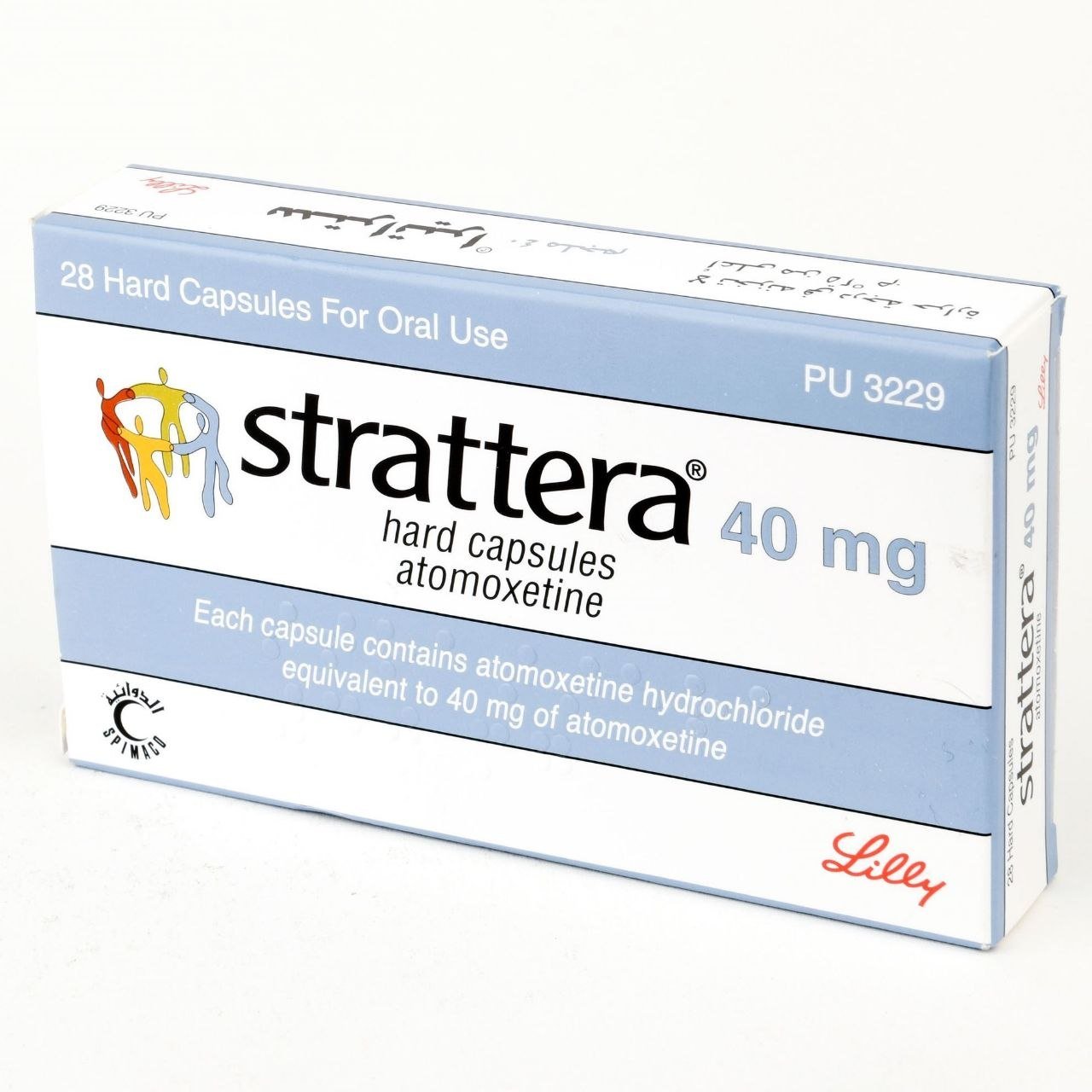
Atomoxetine is a selective norepinephrine reuptake inhibitor (SNRI). Chemically designated as (-)-N-methyl-3-(2-methylphenoxy)-3-phenylpropylamine hydrochloride. Under the Anatomical Therapeutic Chemical (ATC) system, atomoxetine is indexed under N06BA09.
Product Context: Strattera is a globally recognized brand-name formulation originally developed by Eli Lilly. The 40 mg strength represents a common titration or maintenance unit dose utilized in therapeutic regimens.
Controlled Status: Regulated as a Prescription Only Medicine (POM). Unlike traditional central nervous system stimulants (such as amphetamines or methylphenidate), atomoxetine lacks reinforcing properties and is no classified as a controlled substance due to its absence of abuse liability or dependence potential.
Atomoxetine exerts its therapeutic effects primarily through targeted monoamine transporter inhibition in the central nervous system:
Selective Norepinephrine Reuptake Inhibition: Binds with high affinity and selectivity to the presynaptic norepinephrine transporter (NET), inhibiting the reuptake of norepinephrine into nerve terminals.
Prefrontal Cortex Enhancement: Significantly increases extracellular concentrations of norepinephrine and dopamine within the prefrontal cortex (where dopamine transporter density is low), improving attention, impulse control, and executive functioning without causing generalized central nervous system stimulation.
Pharmacodynamic Onset: Unlike stimulants that provide immediate symptom relief, atomoxetine requires continuous daily administration over several weeks to achieve full therapeutic efficacy.
Licensing for Strattera includes:
Attention Deficit Hyperactivity Disorder (ADHD): Treatment of ADHD in children (aged 6 years and older), adolescents, and adults as part of a comprehensive management program.
Dosing & Administration Regimen:
Adult & Pediatric Titration: Initiated at a low total daily dose (e.g., 0.5 mg/kg or 40 mg daily in adults) and maintained for a minimum of 7 days before upward titration toward target maintenance doses (typically 80 mg to 100 mg daily). The 40 mg strength serves as a standard starting or intermediate titration unit.
Administration Precautions: Capsules must be swallowed whole and must not be opened or emptied, as the powder is ocularly irritating. Can be administered as a single daily dose in the morning or divided into two equal doses (morning and late afternoon/early evening).
Absorption: Rapidly and almost completely absorbed following oral administration, with peak plasma concentrations () attained within 1 to 2 hours post-dose. Food does not significantly affect extent of absorption.
Distribution: Highly bound to plasma protein (primarily albumin) at approximately 98%. Distributes widely into total body water and tissues.
Biotransformation: Extensively metabolized in the liver primarily via the Cytochrome P450 pathway, specifically CYP2D6. Individuals with poor CYP2D6 metabolizer status exhibit significantly higher plasma concentrations and prolonged elimination half-lives.
Elimination: Excreted predominantly via the kidneys in urine as 2-hydroxyatomoxetine-O-glucuronide. The elimination half-life averages 5 hours in extensive metabolizers and increases to 24 hours in poor metabolizers.
Atomoxetine alters autonomic tone, mildly increases heart rate and blood pressure, and suppresses appetite.
Very Common (): Nausea, dry mouth, insomnia, fatigue, decreased appetite, abdominal pain, vomiting, headache.
Common ( to ): Tachycardia, palpitations, orthostatic hypotension, constipation, dyspepsia, dizziness, mood swings, irritability, weight loss, urinary hesitation, erectile dysfunction, hot flushes.
Uncommon ( to ): Raynaud’s phenomenon, tremor, paresthesia, skin rashes, pruritus, mydriasis, lethargy.
Rare / Severe (<1/1,000): Severe drug-induced liver injury/hepatotoxicity, QT prolongation, suicidal ideation and behavior (particularly in children and adolescents), aggressive behavior, anaphylactic reactions, and seizures.
Known hypersensitivity to atomoxetine or formulation excipients.
Concomitant use with Monoamine Oxidase Inhibitors (MAOIs) or within 14 days of their cessation (risk of serious, potentially fatal hypertensive crises and hyperthermia).
Severe cardiovascular disorders whose clinical condition might be worsened by increases in blood pressure or heart rate.
Narrow-angle glaucoma.
Pheochromocytoma (history of).
Monoamine Oxidase Inhibitors (MAOIs): Absolute contraindication due to risk of severe hypertensive reactions.
Strong CYP2D6 Inhibitors (e.g., Paroxetine, Fluoxetine, Quinidine): Inhibit the metabolism of atomoxetine, markedly elevating plasma levels and increasing adverse event risks in extensive metabolizers (requiring dosage adjustment).
Pressor Agents: Can potentiate the pressor effects of co-administered sympathomimetic drugs or vasopressors, elevating blood pressure.
Boxed Warning (Suicidal Ideation in Children and Adolescents): Atomoxetine is associated with an increased risk of suicidal ideation in short-term studies in children and adolescents with ADHD. Closely monitor patients for clinical worsening, suicidal thoughts, or unusual changes in behavior, especially during initial therapy or dose adjustments.
Hepatotoxicity Risk: Severe liver injury, indicated by elevated transaminases and bilirubin, has been reported rarely. Discontinue immediately and do not restart in patients with jaundice or laboratory evidence of severe liver injury.
Cardiovascular Monitoring: Baseline cardiac evaluation is advised. Monitor blood pressure and heart rate regularly throughout treatment.
| Cantidad | 112 pastillas (10 mg), 112 pastillas (40 mg), 112 pastillas (60 mg) |
|---|


 English English
  German
 Italian
 Dutch
Dutch
 Spanish