- Tu carrito está vacío
- Continuar comprando


Rango de precios: £ 70.30 por £ 140.60
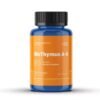
Testes bioregulators (frequently catalogued in scientific and commercial literature under designations such as Testoluten or peptide complex A-13) belong to the cytomax and cytogen classes of organ-specific biological response modifiers. Chemically, natural preparations consist of purified, low-molecular-weight peptide fractions extracted from the testicular tissue of young, healthy mammalian livestock (predominantly bovine or porcine donors) with an upper molecular mass cut-off typically below $5\text{ to }10\text{ kDa}$. The biologically active fraction comprises ultra-short oligopeptides spanning 2 to 6 amino acid sequences, trace nucleopeptides, and tissue-specific regulatory signalling motifs. Synthetic analogues (cytogens) reproduce targeted sequences chemically—most commonly short di-, tri-, or tetra-peptide motifs—using solid-phase peptide synthesis techniques.
Within the United Kingdom regulatory framework, testes bioregulators possess no marketing authorisation from the Medicines and Healthcare products Regulatory Agency (MHRA). They are not catalogued in the British National Formulary (BNF) and are not scheduled as Prescription Only Medicines (POM), Pharmacy (P) medicines, or General Sales List (GSL) substances under the Human Medicines Regulations 2012. In the UK, these products are distributed strictly as non-medicinal food supplements, functional lifestyle preparations, or chemical research substances. In accordance with domestic statutory trading standards and food supplement legislation, commercial entities are legally prohibited from presenting medicinal or therapeutic claims concerning the diagnosis, mitigation, treatment, or cure of clinically established andrological pathologies (such as primary or secondary hypogonadism, male infertility, severe oligospermia, erectile dysfunction, or testicular neoplasia).
The pharmacodynamics of testes peptide bioregulators are rooted in the tissue-specific epigenetic model of short-chain peptide bioregulation, operating primarily via nuclear transactivation and cellular homeostasis within testicular structures:
Epigenetic and Transcriptional Regulation: Owing to low molecular mass, compact hydrodynamic volume, and electroneutral or amphiphilic characteristics, short testicular oligopeptides cross the cell membrane of Leydig interstitial cells, Sertoli supporting cells, and spermatogenic lineage cells. They translocate across the nuclear pore complex into the nucleoplasm, where they bind site-specifically to complementary nucleotide sequences within the major and minor grooves of double-stranded DNA and nucleosomal core histones. This interaction alters nucleosomal packaging, facilitates the conformational transition from heterochromatin to open euchromatin, and recruits RNA polymerase II, modulating the transcription of genes essential for testicular endocrine and spermatogenic competence.
Support of Steroidogenesis in Leydig Cells: Preclinical and in vitro cellular assays demonstrate that testes peptides upregulate the transcription of critical structural proteins and enzymes involved in the steroidogenic cascade. Most notably, they modulate the expression of steroidogenic acute regulatory protein (StAR), cytochrome P450 side-chain cleavage enzyme ($CYP11A1$), and $3\beta$-hydroxysteroid dehydrogenase ($3\beta\text{-HSD}$). Rather than acting as direct exogenous androgens or autonomous gonadotrophin mimetics, these peptides appear to optimize endogenous cellular enzymatic capacity, maintaining physiological testosterone biosynthesis without suppressing endogenous luteinizing hormone (LH) pulsatility.
Sertoli Cell Homeostasis and Spermatogenesis: In the seminiferous tubule microenvironment, the peptides interact with Sertoli cells to support the expression of androgen-binding protein (ABP) and glial cell line-derived neurotrophic factor (GDNF). This activity contributes to the functional maintenance of the blood-testis barrier (BTB), protects developing germ cells from metabolic stress, and preserves normal spermatogenic differentiation stages (spermatogonia to mature spermatozoa).
Cytoprotection and Apoptosis Modulation: Exposure to short testicular peptides attenuates oxidative stress-induced apoptosis in germ and Leydig cells. This cytoprotective effect is mediated by downregulating caspase-3 and caspase-9 activation, preserving mitochondrial inner membrane integrity, and upregulating endogenous antioxidant defenses, including intracellular superoxide dismutase (SOD) and glutathione peroxidase.
Testes bioregulators possess no approved clinical indications in the United Kingdom. No randomized, double-blind, multicentre clinical trials meeting the statutory standards of the MHRA have been conducted to establish clinical efficacy, therapeutic reproducibility, or toxicological safety.
The National Institute for Health and Care Excellence (NICE) does not endorse, mention, or integrate testes peptide bioregulators into any clinical pathway. They are absent from clinical guidelines governing male hypogonadism assessment, male factor infertility (CG156), or erectile dysfunction management.
The use of testes bioregulators is confined to non-clinical consumer wellness contexts and preliminary laboratory research. In exploratory literature and private functional health sectors, they are investigated for:
Supporting functional restoration of testicular endocrine capacity in non-pathological, age-related androgen decline (late-onset hypogonadism).
Nutritional support during convalescence following intense physical exertion, prolonged systemic illness, or environmental stress.
Maintaining physiological spermatogenesis and sperm motility parameters under experimental conditions of oxidative burden.
Preclinical animal models of gonadotoxic stress induced by environmental toxicants or ionising radiation.
These agents hold no status within the NHS drug tariff, cannot be prescribed on NHS prescription forms (FP10), and must never be substituted for licensed clinical interventions, such as testosterone replacement therapy (TRT; e.g., transdermal gels, injectable testosterone esters), human chorionic gonadotrophin (hCG), selective estrogen receptor modulators (SERMs), or phosphodiesterase type 5 (PDE5) inhibitors.
Because testes bioregulators are predominantly formulated as oral gelatin capsules or sublingual liquid preparations, their pharmacokinetic disposition is determined by mucosal and intestinal transport properties:
Absorption: Crude polypeptide mixtures undergo extensive enzymatic hydrolysis within the gastrointestinal tract via gastric pepsin and pancreatic serine proteases (trypsin, chymotrypsin). However, low-molecular-weight di-, tri-, and tetra-peptides exhibit structural resistance to complete brush-border aminopeptidase degradation. These intact short sequences cross the apical enterocyte membrane via the proton-dependent peptide transporter 1 (PEPT1). Sublingual formulations bypass first-pass gastrointestinal degradation and mesenteric hepatic clearance entirely, diffusing directly through the vascularised sublingual mucosa. Peak systemic concentrations ($T_{max}$) of intact circulating short peptides are typically observed within 20 to 50 minutes post-dose.
Distribution: Following intestinal absorption and portal transport, the peptides enter the systemic vascular compartment. With a low molecular weight and hydrophilic characteristics, the apparent volume of distribution ($V_d$) corresponds closely to total extracellular fluid volume. Experimental biodistribution models indicate selective tropism toward andrological and endocrine tissues, crossing the testicular interstitial vasculature to access Leydig cells and the abluminal compartment of the seminiferous epithelium. Plasma protein binding is negligible ($<5\%$).
Biotransformation: Testes bioregulators do not interact with or undergo metabolic clearance via the hepatic cytochrome P450 (CYP450) microsomal monooxygenase system (e.g., CYP1A2, CYP2C9, CYP3A4). Systemic clearance is mediated entirely by circulating plasma aminopeptidases, carboxypeptidases, and cellular endopeptidases, which rapidly cleave peptide bonds into native constituent individual L-amino acids. These amino acids enter the body’s general endogenous amino acid pool for turnover or protein synthesis.
Elimination: Biological clearance of intact peptides is rapid, with an elimination half-life ($t_{1/2}$) ranging between 15 and 60 minutes. Direct renal excretion of intact macromolecular peptides is negligible; metabolites are eliminated as urinary urea, with trace carbon atoms exhaled as carbon dioxide via cellular respiration.
The primary physiological effect reported in preclinical investigations is the normalization of testicular functional parameters, characterized by the maintenance of baseline serum testosterone levels, stabilization of Leydig cell morphological volume, and preservation of sperm concentration and progressive motility under stress conditions. Unlike exogenous androgen administration, these peptides do not induce negative feedback inhibition of the hypothalamic-pituitary-gonadal (HPG) axis, thereby avoiding testicular atrophy or secondary suppression of LH and FSH.
Because testes bioregulators have not undergone structured, large-scale Phase I–IV clinical pharmacovigilance surveillance, documentation of adverse reactions is derived primarily from observational cohorts and animal toxicology:
Very Common ($\ge 1/10$): None documented in clinical literature.
Common ($1/100$ to $<1/10$): Mild, transient gastrointestinal symptoms following oral intake, including epigastric discomfort, nausea, abdominal fullness, and mild looseness of stool.
Uncommon ($1/1,000$ to $<1/100$): Transient sensations of flushing or mild cutaneous warmth; mild cephalalgia; localized pruritus or mild erythematous maculopapular rash; transient sleep alterations or restlessness.
Rare ($1/10,000$ to $<1/1,000$): Type I immediate allergic hypersensitivity reactions (urticaria, angioedema, or bronchospasm), principally triggered in atopic individuals sensitized to bovine or porcine structural protein residues.
Biological and Contaminant Hazards: Unregulated preparations derived from non-certified mammalian sources carry theoretical risks of transmissible spongiform encephalopathies (TSE/BSE) or contamination with unquantified steroid hormone residues, which can unpredictably disrupt intrinsic endocrine feedback loops.
The handling and administration of testes bioregulators require strict adherence to fundamental andrological and endocrine safety parameters:
Contraindications:
Documented hypersensitivity or history of allergic anaphylaxis to bovine- or porcine-derived biological substances, gelatin, or any formulation excipients.
Androgen-sensitive malignancies: Absolute contraindication in patients with known, suspected, or treated prostate carcinoma or male breast cancer. Modulating cellular metabolism or potential downstream androgen synthesis in hormone-dependent neoplastic tissue is clinically hazardous.
Severe prostatic hyperplasia: Relative contraindication in individuals with severe, untreated lower urinary tract symptoms (LUTS) secondary to benign prostatic hyperplasia (BPH).
Female administration: Contraindicated in females, particularly during pregnancy and lactation, due to the lack of reproductive toxicology, teratogenicity, and developmental safety data.
Paediatric population: Contraindicated in children and adolescents under 18 years; potential impacts on open epiphyseal plates, pubertal progression, and the maturing HPG axis are entirely uncharacterised.
Drug Interactions:
Testosterone Replacement Therapy (TRT) and Anabolic-Androgenic Steroids (AAS): Concurrent administration may cause unpredictable interactions; high-dose exogenous androgens suppress the HPG axis, likely blunting or masking any endogenous regulatory signaling of the peptide bioregulator.
Gonadotrophin-Releasing Hormone (GnRH) Analogues and Anti-Androgens: Concurrent use with GnRH agonists/antagonists (e.g., leuprorelin, degarelix) or androgen receptor antagonists (e.g., bicalutamide, enzalutamide) may produce direct pharmacodynamic antagonism.
Phosphodiesterase Type 5 (PDE5) Inhibitors: No known direct pharmacokinetic interactions with sildenafil, tadalafil, or vardenafil.
Cytochrome P450 interactions: There are no documented pharmacokinetic induction or inhibition interactions with hepatic CYP450 isoenzymes.
Clinical Precautions:
Andrological Assessment: Patients presenting with constitutional signs of hypogonadism (e.g., loss of libido, erectile dysfunction, persistent fatigue, muscle loss, osteopenia) or male infertility require formal clinical investigation—including fasting early-morning total testosterone, free testosterone, LH, FSH, prolactin, and semen analysis—rather than unmonitored self-administration of unlicensed bioregulators.
Prostate Health Monitoring: Baseline and periodic evaluation of serum prostate-specific antigen (PSA) and digital rectal examination (DRE) are prudent precautions in men over 45 years undertaking andrological interventions.
Source Purity: Clinicians and researchers must verify that natural mammalian extracts possess documented batch-specific certification confirming extraction from BSE-free herds and compliance with UK/EU biological safety criteria.
| Cantidad | 20 Caps, 60 Caps |
|---|


 English English
  German
 Italian
 Dutch
Dutch
 Spanish

Reseñas
Todavía no hay reseñas.