- Il tuo carrello è vuoto
- Continua Lo Shopping


Fascia di prezzo: £ 207.20 £ 592.00
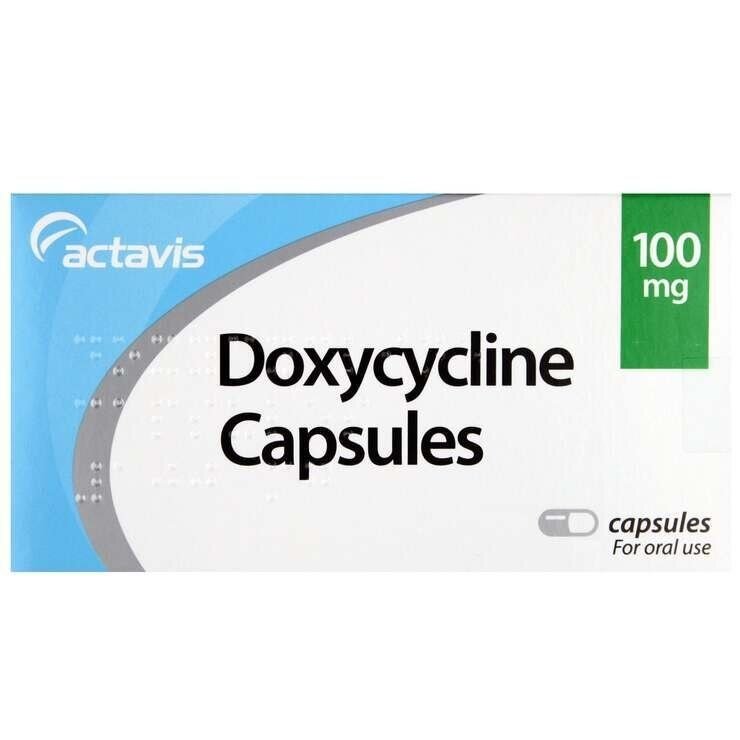
Doxycycline is a broad-spectrum polyketide antibiotic derived from oxytetracycline, chemically designated as . Under the Anatomical Therapeutic Chemical (ATC) system, doxycycline is indexed under J01AA02.
Product Context: The 100 mg strength represents a standard adult therapeutic unit dose commonly utilized for systemic infections, acne management, and prophylactic regimens (such as malaria prevention).
Regulatory Status: Regulated strictly as a Prescription Only Medicine (POM) internationally. It is not classified as a controlled substance due to an absence of abuse liability or central nervous system reinforcement properties.
Doxycycline acts primarily as a bacteriostatic antimicrobial agent:
Inhibition of Protein Synthesis: Reversibly binds to the bacterial 30S ribosomal subunit, preventing the access of aminoacyl-tRNA to the mRNA-ribosome complex and halting peptide chain elongation.
Spectrum of Activity: Exhibits broad-spectrum activity against Gram-positive pathogens (such as Staphylococcus aureus e Streptococcus pneumoniae), Gram-negative bacteria, atypical organisms (Chlamydia, Mycoplasma, Legionella), and certain protozoan parasites.
Anti-Inflammatory Properties: In dermatological applications (e.g., acne vulgaris), doxycycline exerts non-antimicrobial anti-inflammatory effects by inhibiting neutrophil chemotaxis and downregulating matrix metalloproteinases (MMPs).
Licensing for doxycycline 100 mg includes:
Respiratory Infections: Treatment of community-acquired pneumonia, acute exacerbations of chronic bronchitis, and sinusitis caused by susceptible organisms.
Dermatology: Management of severe acne vulgaris and rosacea as part of combination or standalone regimens.
Sexually Transmitted Infections: Treatment of uncomplicated urethral, endocervical, or rectal infections caused by Chlamydia trachomatis.
Zoonotic & Vector-Borne Diseases: Treatment of Lyme disease (Borrelia burgdorferi), Rocky Mountain spotted fever, anthrax prophylaxis, and malaria chemoprophylaxis.
Dosing & Administration Regimen:
Standard Adult Dosing: Typically initiated at 200 mg on the first day (administered as a single 200 mg dose or 100 mg every 12 hours), followed by a maintenance dose of 100 mg once daily (or 100 mg every 12 hours for more severe infections).
Administration Precautions: Tablets or capsules must be swallowed whole with an adequate volume of fluid (at least 200–250 mL of water) in an upright posture. Do not lie down immediately for at least 30 minutes post-administration to minimize the risk of esophageal irritation, ulceration, or pill-induced esophagitis.
Food & Cation Interactions: Can be administered with food or milk if gastric irritation occurs, though concurrent ingestion of multivalent cations (calcium, iron, magnesium, aluminum) significantly impairs absorption.
Absorption: Rapidly and almost completely absorbed from the gastrointestinal tract, boasting high oral bioavailability (). Absorption is minimally affected by food compared to older tetracyclines. Peak plasma concentrations () are attained within 2 hours ().
Distribution: Highly lipophilic; distributes extensively into body tissues, pleural fluids, bronchial secretions, and prostatic tissue. Plasma protein binding is high (~82% to 93%).
Biotransformation: Undergoes minimal hepatic metabolism. Unlike other tetracyclines, doxycycline is eliminated primarily via non-renal pathways, making it safer for use in patients with renal impairment.
Elimination: Excreted predominantly via the gastrointestinal tract through feces (unabsorbed drug and biliary elimination, ~40% to 50%) and secondarily via renal filtration (~35% to 60%). The terminal elimination half-life () is exceptionally long, averaging 16 to 22 hours, supporting convenient once-daily dosing.
Doxycycline alters gastrointestinal flora and induces cutaneous photosensitization.
Common ( to ): Nausea, vomiting, diarrhea, abdominal discomfort, photosensitivity reactions (exaggerated sunburn upon ultraviolet exposure), vulvovaginal candidiasis.
Uncommon ( to ): Dyspepsia, dysphagia, glossitis, skin rashes, urticaria, headache.
Rare / Severe (<1/1,000): Pseudomembranous colitis (Clostridioides difficile-associated diarrhea), esophageal ulceration, hepatotoxicity, blood dyscrasias (neutropenia, thrombocytopenia), intracranial hypertension (pseudotumor cerebri, characterized by headache and visual disturbances), severe hypersensitivity reactions (anaphylaxis, DRESS syndrome, Stevens-Johnson syndrome).
Known hypersensitivity to doxycycline, other tetracycline-class antibiotics, or formulation excipients.
Pregnancy during the second and third trimesters (risk of permanent tooth discoloration, enamel hypoplasia, and suppression of bone growth in the fetus).
Pediatric use in children under 8 years of age (risk of permanent dental staining and enamel defects, except in life-threatening scenarios like anthrax exposure where alternative therapy is unavailable).
Severe hepatic impairment.
Antacids, Iron Preparations, & Multivalent Cations: Oral antacids containing aluminum, calcium, or magnesium, as well as bismuth subsalicylate and iron supplements, bind to doxycycline in the gastrointestinal lumen, forming unabsorbable chelate complexes and reducing antimicrobial efficacy; separate dosing by 2 to 3 hours.
Anticoagulants (Warfarin): Tetracyclines may depress plasma prothrombin activity; patients receiving anticoagulant therapy require close monitoring of International Normalized Ratio (INR).
Penicillin-Class Antibiotics: Because bacteriostatic drugs like doxycycline may interfere with the bactericidal action of penicillins, concurrent use should generally be avoided.
Oral Contraceptives: May infrequently reduce the efficacy of estrogen-containing oral contraceptives, prompting counseling on barrier backup methods during therapy.
Photosensitivity Warning: Advise patients to avoid excessive exposure to direct sunlight or artificial UV/tanning beds due to the risk of severe phototoxic dermatitis. Discontinue use at the first evidence of skin erythema.
Esophageal Ulceration Risk: Strict adherence to adequate fluid intake and remaining upright post-dosing is mandatory to prevent severe esophageal injury.
Superinfection Risks: Prolonged antimicrobial use may result in overgrowth of non-susceptible organisms, including fungi (Candida) or Clostridioides difficile. Monitor for signs of severe diarrhea.
| Quantità | 120 Pills, 240 Pills, 500 Pills |
|---|


 English English
  German
 Italian
 Dutch
Dutch
 Spanish