- Il tuo carrello è vuoto
- Continua Lo Shopping


£ 125.80
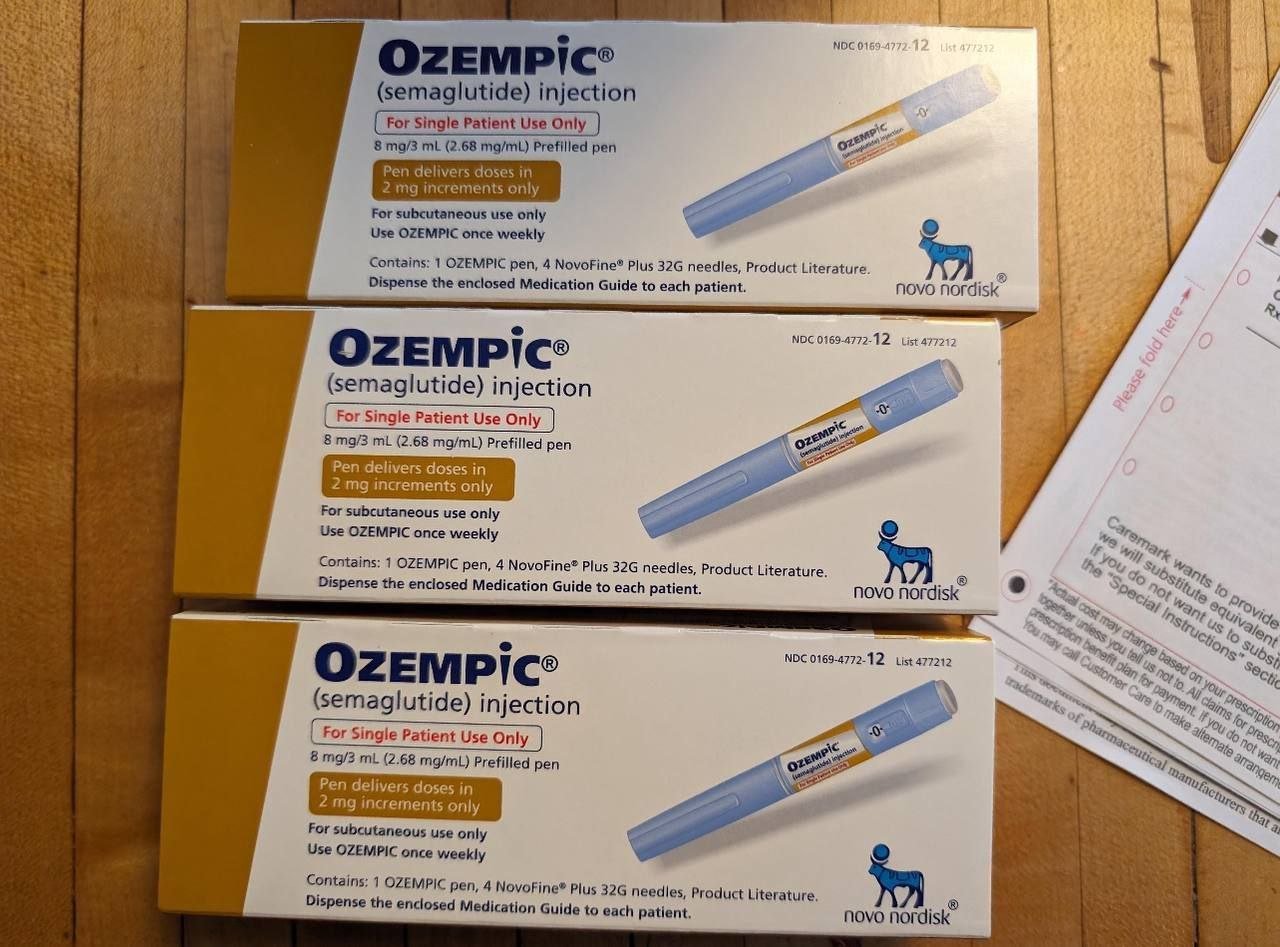
Ozempic 2 mg (semaglutide) is a once-weekly long-acting glucagon-like peptide-1 (GLP-1) receptor agonist indicated as the maximum approved maintenance dose for glycemic control and major adverse cardiovascular event (MACE) risk reduction in adults with type 2 diabetes mellitus.
Semaglutide is a synthetic human GLP-1 analogue exhibiting 94% structural sequence homology to native human GLP-1. Its structure is engineered with an amino acid substitution at position 8 (alanine to -aminobutyric acid) to protect against enzymatic degradation by dipeptidyl peptidase-4 (DPP-4), along with a fatty diacid chain attached at position 26 via a linker to facilitate reversible binding to serum albumin. Under the Anatomical Therapeutic Chemical (ATC) classification system, semaglutide is indexed under A10BJ06.
Ozempic 2 mg represents the highest approved therapeutic maintenance dosage strength for type 2 diabetes. It is supplied as a single-patient-use pre-filled pen containing 8 mg of semaglutide in 3 mL of solution (), engineered to deliver 4 fixed weekly doses of 2 mg in a 0.75 mL injection volume. Across global regulatory jurisdictions (including the UK, EU, and US), Ozempic is classified as a Prescription Only Medicine (POM).
Semaglutide acts as a selective GLP-1 receptor agonist that binds to and activates the GLP-1 receptor, triggering downstream multi-organ metabolic signaling:
Glucose-Dependent Insulin Secretion: Stimulates pancreatic -cell exocytosis of insulin in the presence of elevated blood glucose levels.
Glucagon Suppression: Inhibits inappropriate postprandial glucagon secretion from pancreatic -cells without impairing normal glucagon response to hypoglycaemia.
Gastric Emptying Delay: Slows early postprandial gastric motility, attenuating the rate of post-meal systemic glucose absorption.
Centrally Mediated Appetite Control: Acts on hypothalamic brain regions to increase satiety and decrease hunger and food intake.
Cardiovascular Protection: Reduces systemic vascular inflammation, improves endothelial function, and lowers systolic blood pressure.
The 2 mg weekly dose achieves maximal steady-state GLP-1 receptor activation in patients with type 2 diabetes who require additional glycemic control beyond the 1 mg weekly dose.
Licensing for Ozempic 2 mg includes:
Type 2 Diabetes Mellitus (Glycemic Control): Adjunct to diet and exercise to improve glycemic control in adults with insufficiently controlled type 2 diabetes mellitus (as monotherapy when metformin is inappropriate, or in combination with other anti-hyperglycaemic agents).
Cardiovascular Risk Reduction: Reduction in the risk of major adverse cardiovascular events (cardiovascular death, non-fatal myocardial infarction, or non-fatal stroke) in adults with type 2 diabetes mellitus and established cardiovascular disease.
Dosing & Titration Regimen: Therapy is initiated at 0.25 mg once weekly for 4 weeks, followed by an increase to 0.5 mg once weekly for at least 4 weeks. If additional glycemic control is required, the dose may be increased to 1 mg once weekly for at least 4 weeks, and finally escalated to the 2 mg once weekly maximum maintenance dose.
Off-Label & Distinction Warning: Ozempic is officially licensed for type 2 diabetes mellitus and cardiovascular risk reduction in type 2 diabetes. While semaglutide produces weight loss, dedicated higher-dose formulations (such as Wegovy up to 2.4 mg) carry the explicit regulatory approval for chronic weight management in non-diabetic populations.
Absorption: Absolute bioavailability following subcutaneous administration is approximately 89%. Maximum plasma concentration () occurs between 1 and 3 days () post-dose.
Distribution: Semaglutide is extensively bound to plasma proteins (> 99%, primarily human serum albumin). The mean volume of distribution () is approximately .
Biotransformation: Semaglutide is extensively metabolised through proteolytic cleavage of the peptide backbone and sequential -oxidation of the fatty acid side chain. It does not rely on cytochrome P450 (CYP) enzymatic pathways for elimination.
Elimination: Elimination occurs via renal and faecal pathways following metabolic breakdown into peptide fragments. Clearance is low (), resulting in an elimination half-life () of approximately 1 week (7 days), which supports once-weekly subcutaneous dosing.
Semaglutide produces sustained reductions in glycated haemoglobin (), lowers fasting and postprandial plasma glucose concentrations, reduces total body weight, and lowers systolic blood pressure.
Very Common (): Nausea, diarrhoea, hypoglycaemia (when used concomitantly with sulfonylureas or insulin).
Common ( to ): Vomiting, abdominal pain, constipation, dyspepsia, gastritis, gastro-oesophageal reflux disease, eructation, flatulence, abdominal distension, fatigue, dizziness, elevated lipases/amylase, diabetic retinopathy complications.
Uncommon ( to ): Acute pancreatitis, cholelithiasis, injection site reactions (erythema, pruritus), dysgeusia, sinus tachycardia.
Rare (<1/1,000): Anaphylactic reactions, angioedema.
Personal or family history of Medullary Thyroid Carcinoma (MTC).
Multiple Endocrine Neoplasia syndrome type 2 (MEN 2).
Known severe hypersensitivity to semaglutide or formulation excipients.
Pregnancy and lactation (discontinue at least 2 months prior to a planned pregnancy).
Oral Medications: Semaglutide-induced delays in gastric emptying can alter the absorption rate of concomitantly administered oral medications, particularly those with a narrow therapeutic index.
Insulin Secretagogues and Insulin: Co-administration with sulfonylureas or insulin significantly increases the risk of severe hypoglycaemia; reductions in secretagogue or insulin doses are typically required.
Acute Pancreatitis: Patients should be monitored for signs of acute pancreatitis (persistent, severe abdominal pain radiating to the back). If suspected, treatment must be discontinued immediately.
Diabetic Retinopathy: Rapid improvement in glycemic control in patients with pre-existing diabetic retinopathy has been associated with temporary worsening of retinal complications.
Renal Function & Dehydration: Gastrointestinal adverse effects (vomiting, diarrhoea) can cause volume depletion leading to acute kidney injury. Patients must maintain adequate fluid intake.

 English English
  German
 Italian
 Dutch
Dutch
 Spanish

