- Uw winkelwagen is leeg
- Verder Winkelen


£ 170.20
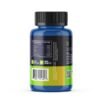
Unlicensed multi-constituent preparation combining salbutamol, amlexanox, caffeine, and L-theanine, investigated for $\beta_2$-adrenergic and kinase-mediated metabolic stimulation.
BioIgnite is an unapproved, multi-constituent pharmacological preparation formulated to stimulate metabolic rate, promote white adipose tissue lipolysis, and modulate inflammatory pathways associated with insulin resistance. Unlike standard biological bioregulators or benign dietary supplements, BioIgnite incorporates potent, synthetic Prescription Only Medicines (POM) alongside botanical and amino acid derivatives. The typical quantitative composition per solid oral dosage form (capsule) comprises:
Salbutamol (Albuterol): $3\text{ mg}$ of the synthetic, direct-acting beta-2 ($\beta_2$) adrenoceptor agonist $\alpha^1$-[(tert-butylamino)methyl]-4-hydroxy-m-xylene-$\alpha,\alpha’$-diol.
Amlexanox: $50\text{ mg}$ of the synthetic tricyclic carboxylic acid 2-amino-7-isopropyl-5-oxo-5H-chromeno[2,3-b]pyridine-3-carboxylic acid, historically developed as an anti-allergic, anti-asthmatic, and topical anti-inflammatory agent.
Caffeine Anhydrous: $50\text{ mg}$ of 1,3,7-trimethylxanthine, a central nervous system (CNS) stimulant and non-selective adenosine receptor antagonist.
L-Theanine: $150\text{ mg}$ of $\gamma$-glutamylethylamide, a non-proteinogenic amino acid analogue isolated from Camellia sinensis.
Within the United Kingdom regulatory framework, BioIgnite does not hold a marketing authorisation (MA) from the Medicines and Healthcare products Regulatory Agency (MHRA). It is not catalogued in the British National Formulary (BNF) as a combined medicinal entity and is entirely absent from licensed NHS clinical formularies. Under the Human Medicines Regulations 2012, both salbutamol and amlexanox are categorized as medicinal substances; oral salbutamol is strictly a Prescription Only Medicine (POM). Consequently, marketing or distributing BioIgnite within the UK as a non-medicinal food supplement or novel “research chemical” circumvents domestic pharmaceutical licensing frameworks, violating statutory medicinal advertising standards and consumer safety directives. The commercial sale of preparations containing hidden or active prescription pharmaceuticals presents substantial regulatory, legal, and toxicological liabilities.
The pharmacodynamic profile of BioIgnite represents a combination of adrenoceptor stimulation, selective kinase inhibition, competitive adenosine antagonism, and neurochemical modulation:
Direct Beta-2 ($\beta_2$) Adrenoceptor Agonism and Lipolysis: Salbutamol binds selectively to $\beta_2$-adrenergic receptors coupled to the stimulatory $G_s$ protein across adipocytes, skeletal muscle, and bronchial smooth muscle. Activation of adenylyl cyclase elevates intracellular cyclic adenosine monophosphate (cAMP), activating protein kinase A (PKA). In adipose tissue, PKA phosphorylates perilipin and hormone-sensitive lipase (HSL), inducing the catabolism of stored triglycerides into free fatty acids and glycerol. In skeletal muscle and brown adipose tissue (BAT), $\beta_2$ signaling stimulates glucose transport via GLUT4 translocation and acutely enhances mitochondrial uncoupling and resting metabolic rate.
IKK-$\varepsilon$ and TBK1 Kinase Inhibition: Amlexanox acts as an ATP-competitive, selective inhibitor of non-canonical I$\kappa$B kinases—specifically inhibitor of nuclear factor kappa-B kinase subunit epsilon (IKK-$\varepsilon$) and TANK-binding kinase 1 (TBK1). In diet-induced obesity, chronic low-grade inflammation upregulates IKK-$\varepsilon$ and TBK1, which act as a cellular “brake” that downregulates $\beta$-adrenergic receptor sensitivity and suppresses energy expenditure. By blocking IKK-$\varepsilon$ and TBK1, amlexanox disinhibits $\beta$-adrenoceptor signaling, restores cyclic nucleotide generation in insulin-resistant adipocytes, stimulates hepatic fibroblast growth factor 21 (FGF21) secretion, and improves systemic insulin sensitivity.
Adenosine Receptor Blockade and Phosphodiesterase Modulation: Caffeine competitively inhibits central and peripheral adenosine $A_1$ en $A_{2A}$ receptors, disinhibiting central neurotransmission and elevating sympathetic outflow. Simultaneously, mild intracellular phosphodiesterase (PDE) inhibition impedes cAMP breakdown, acting synergistically with salbutamol to prolong $\beta_2$-adrenoceptor-mediated lipolytic and thermogenic cascades.
GABAergic and Glutamatergic Neurochemical Balancing: L-Theanine crosses the blood-brain barrier via the large neutral amino acid transporter (LAT1). Acting as a low-affinity antagonist at ionotropic glutamate receptors (AMPA and kainate) while supporting central gamma-aminobutyric acid (GABA) synthesis, L-theanine attenuates excessive cortical excitability and peripheral cardiovascular hyper-reactivity triggered by caffeine and salbutamol, without neutralizing peripheral metabolic stimulation. Preclinical evidence also suggests L-theanine may promote the “browning” of white adipocytes via AMP-activated protein kinase (AMPK) and PR domain containing 16 (PRDM16) activation.
BioIgnite possesses no approved clinical indications in the United Kingdom. No randomized, controlled, double-blind clinical trials meeting MHRA or European Medicines Agency (EMA) standards have evaluated this specific four-compound combination for therapeutic efficacy, metabolic endpoints, or clinical safety.
The National Institute for Health and Care Excellence (NICE) does not endorse, recommend, or integrate BioIgnite into any clinical pathway. It is absent from clinical guidelines governing obesity: identification, assessment and management (CG189 / NG246), type 2 diabetes in adults: management (NG28), and asthma: diagnosis, monitoring and chronic management (NG80).
The application of BioIgnite is confined entirely to illicit athletic bodybuilding sectors, unverified “biohacking” circles, and exploratory animal pharmacology. In unlicensed contexts, it is explored for:
Off-label induction of acute thermogenesis and resting energy expenditure during extreme hypocaloric dieting.
Off-label pharmacological reduction of visceral and subcutaneous adiposity via dual $\beta_2$-agonism and TBK1/IKK-$\varepsilon$ inhibition.
Experimental investigation of insulin sensitisation in models of metabolic dysfunction-associated steatohepatitis (MASH).
BioIgnite holds no status within the NHS drug tariff, cannot be prescribed on NHS prescription forms (FP10), and must never replace validated, licensed clinical treatments for obesity or metabolic dysfunction, such as GLP-1/GIP receptor agonists (e.g., semaglutide, tirzepatide), gastrointestinal lipase inhibitors (orlistat), or licensed pulmonary therapeutics.
Because BioIgnite is an orally administered composite capsule, its pharmacokinetic disposition reflects the distinct absorption, protein binding, and metabolic clearance pathways of its constituent molecules:
Absorption:
Salbutamol: Readily and rapidly absorbed following oral administration ($3\text{ mg}$ dose), achieving peak plasma concentrations ($C_{max}$) within 1.5 to 3 hours, with an oral bioavailability of approximately 50% due to first-pass intestinal and hepatic conjugation.
Amlexanox: Displays moderate, dose-dependent gastrointestinal absorption; oral administration of $50\text{ mg}$ achieves peak plasma concentrations ($T_{max}$) within 2 to 4 hours.
Caffeine: Rapidly and completely ($>99\%$) absorbed from the stomach and upper small intestine, reaching peak systemic concentrations within 30 to 60 minutes.
L-Theanine: Rapidly absorbed across the intestinal lumen via sodium-coupled neutral amino acid transporters, reaching maximum plasma concentrations within 30 to 50 minutes.
Distribution: Salbutamol exhibits an apparent volume of distribution ($V_d$) of approximately $150\text{ to }160\text{ L}$, with plasma protein binding of only $8\text{ to }10\%$. Amlexanox distributes moderately, with a high degree of plasma protein binding ($>95\%$, primarily to circulating serum albumin). Caffeine distributes throughout total body water ($V_d \approx 0.6\text{ to }0.8\text{ L/kg}$) with low protein binding ($10\text{ to }35\%$). L-Theanine distributes into total extracellular and intracellular compartments, readily traversing the blood-brain barrier.
Biotransformation:
Salbutamol: Undergoes extensive presystemic and systemic metabolism via intestinal and hepatic sulfotransferases (principally SULT1A3) into the inactive 4′-O-sulfate ester conjugate; it is not metabolized by the cytochrome P450 (CYP450) enzyme system.
Amlexanox: Cleared hepatically via Phase I oxidation and Phase II glucuronidation, yielding M-1 (hydroxylated) and glucuronide metabolites.
Caffeine: Extensively metabolized ($>95\%$) in the liver via microsomal cytochrome P450 1A2 (CYP1A2) into paraxanthine, theobromine, and theophylline.
L-Theanine: Hydrolysed in the kidneys and liver by glutaminase into L-glutamic acid and ethylamine.
Elimination: Systemic elimination occurs predominantly through renal filtration. Salbutamol and its sulfate conjugate are excreted in the urine (approximately 80% over 72 hours), with an elimination half-life ($t_{1/2}$) of 3.5 to 6 hours. Amlexanox and its polar conjugates are eliminated primarily in the urine, exhibiting a plasma half-life of approximately 3.5 hours. Caffeine metabolites are excreted renally, with an average $t_{1/2}$ of 3 to 7 hours in healthy adults.
The primary physiological effect documented in experimental protocols is a noticeable, pharmacologically mediated increase in basal metabolic rate and unesterified free fatty acid circulation, accompanied by peripheral vasodilation and variable degrees of neurocardiovascular stimulation. However, the systemic oral administration of a $\beta_2$-adrenoceptor agonist ($3\text{ mg}$ salbutamol) combined with caffeine circumvents the targeted safety profile of inhaled delivery, generating significant systemic side effects:
Very Common ($\ge 1/10$): Fine skeletal muscle tremor (predominantly involving the hands); sinus tachycardia; subjective palpitations; headache; transient peripheral vasodilation (flushing); psychomotor restlessness; insomnia.
Common ($1/100$ to $<1/10$): Transient elevations in systolic blood pressure; gastrointestinal disturbances (epigastric burning, nausea, diarrhea); subjective muscle cramps; hypokalaemia (induced by $\beta_2$-mediated stimulation of the skeletal muscle cell membrane $Na^+/K^+\text{-ATPase}$ pump, driving potassium into intracellular compartments); transient hyperglycemia.
Uncommon ($1/1,000$ to $<1/100$): Cardiac dysrhythmias (premature ventricular contractions, atrial fibrillation, paroxysmal supraventricular tachycardia); marked paradoxical hypertension; severe anxiety or acute panic reaction; diaphoresis; localized cutaneous urticaria or pruritus.
Rare ($1/10,000$ to $<1/1,000$): Myocardial ischaemia or angina pectoris in individuals with subclinical coronary artery disease; severe hypokalaemia leading to cardiac conduction defects; lactic acidosis secondary to intense glycogenolysis; idiosyncratic drug-induced liver injury (DILI) related to oral amlexanox.
Cardiovascular and Regulatory Hazards: The oral combination of salbutamol and caffeine poses significant cardiovascular risks, including sustained tachycardia, elevated cardiac oxygen demand, and fatal arrhythmias in susceptible individuals. Furthermore, utilizing unlicensed compounds containing hidden prescription drugs to manage obesity or metabolic complaints delays evidence-based clinical investigation for underlying endocrine disorders (e.g., severe hypothyroidism, Cushing’s disease) and presents substantial risks of accidental pharmaceutical toxicity.
The presence of potent prescription-grade $\beta_2$-agonists and multi-pathway kinase inhibitors requires strict adherence to pharmacological contraindications and warnings:
Contraindications:
Documented hypersensitivity to salbutamol, amlexanox, caffeine, L-theanine, or any formulation excipients.
Cardiovascular Disease: Absolute contraindication in ischaemic heart disease, severe coronary atherosclerosis, history of acute myocardial infarction, moderate-to-severe hypertension, cardiac arrhythmias, hypertrophic obstructive cardiomyopathy (HOCM), or congestive cardiac failure.
Thyrotoxicosis / Uncontrolled Hyperthyroidism: Absolute contraindication due to heightened cardiac $\beta$-adrenoceptor density, risking thyrotoxic crisis or fatal dysrhythmias.
Active Peptic Ulcer Disease or Inflammatory Bowel Disease: Contraindicated due to amlexanox and caffeine-induced gastrointestinal mucosal irritation.
Pregnancy and Lactation: Absolute contraindication. Salbutamol crosses the placental barrier, can impair uterine contractility, and may cause fetal tachycardia and maternal pulmonary oedema; amlexanox reproductive toxicology remains inadequately characterized.
Paediatric Population: Absolute contraindication in children and adolescents under 18 years.
Drug Interactions:
Beta-Adrenoceptor Antagonists (Beta-Blockers): Non-selective beta-blockers (e.g., propranolol) and cardioselective agents (e.g., atenolol, bisoprolol) cause direct pharmacodynamic antagonism, neutralizing salbutamol’s effects while risking severe bronchospasm in susceptible individuals.
Monoamine Oxidase Inhibitors (MAOIs) and Tricyclic Antidepressants (TCAs): Co-administration can severely potentiate salbutamol’s cardiovascular actions, precipitating hypertensive crises and arrhythmias.
Potassium-Depleting Diuretics (e.g., furosemide, bendroflumethiazide): Additive hypokalaemic effects significantly elevate the risk of life-threatening cardiac arrhythmias.
Digitalis Glycosides (Digoxin): Concurrent hypokalaemia induced by salbutamol markedly increases susceptibility to digitalis toxicity.
CYP1A2 Inhibitors (e.g., ciprofloxacin, fluvoxamine): Inhibit caffeine clearance, amplifying systemic stimulant toxicity.
Clinical Precautions:
Cardiovascular Alarm Symptoms (“Red Flags”): Patients presenting with crushing retrosternal chest pain, dyspnoea, sudden-onset presyncope, sustained rapid heart action ($>120\text{ bpm}$), or severe thunderclap headaches mandate immediate emergency (999/A&E) transfer.
Electrolyte and Glycaemic Monitoring: Due to the propensity of systemic $\beta_2$-agonists to induce intracellular potassium shifts and glycogenolysis, serum potassium and blood glucose levels must be rigorously evaluated if toxicity is suspected.
Unregulated Product Vigilance: Clinicians encountering patients using BioIgnite must provide clear counsel regarding the hazards of ingesting unapproved formulations containing active prescription pharmaceuticals, advise immediate discontinuation, and document any adverse reactions via the MHRA Yellow Card scheme.


 English English
  German
 Italian
 Dutch
Dutch
 Spanish
Beoordelingen
Er zijn nog geen beoordelingen.