- Uw winkelwagen is leeg
- Verder Winkelen


£ 62.90
Unlicensed, Class C synthetic $17\alpha\text{-alkylated}$ pyrazole-derivative anabolic-androgenic steroid, investigated for androgen receptor agonism, extreme SHBG suppression, and severe atherogenic dyslipidaemia.
Meta Description:
UK clinical monograph on Dragon Pharma Winstrol (stanozolol) detailing pyrazole-ring pharmacology, $17\alpha$-alkylation, hepatotoxicity, and Class C regulatory status.
Dragon Pharma Winstrol is an unregulated, underground trade formulation representing preparations of the synthetic anabolic-androgenic steroid (AAS) stanozolol (chemically designated as $17\alpha\text{-methyl-[5}\alpha\text{]-androst-2-eno[3,2-c]pyrazol-17}\beta\text{-ol}$). Structurally, stanozolol is a synthetic derivative of dihydrotestosterone (DHT) characterized by two core modifications to the steroid nucleus: the condensation of a pyrazole ring fused to the phenanthrene A-ring at the 2,3-position, and the addition of a methyl group at the carbon-17 position in the alpha orientation ($17\alpha\text{-alkylation}$). The fused pyrazole ring dramatically alters the steric and electronic conformation of the steroid core, conferring resistance to enzymatic deactivation by skeletal muscle $3\alpha\text{-hydroxysteroid dehydrogenase}$ ($3\alpha\text{-HSD}$) and suppressing inherent androgenicity, while the $17\alpha\text{-methyl}$ functional group impedes first-pass hepatic $17\beta\text{-hydroxy}$ oxidation, rendering the substance orally bioavailable.
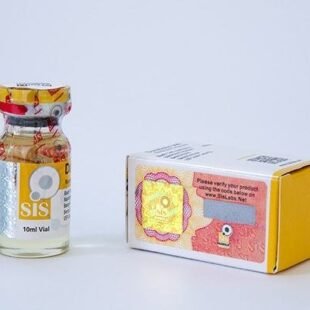
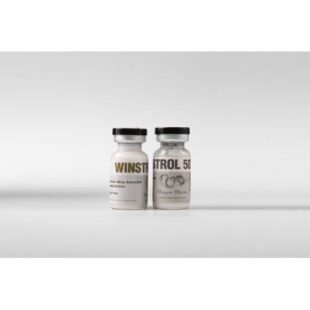
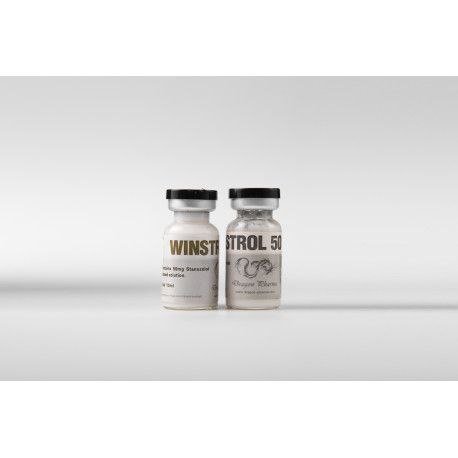
In commercial distribution by Dragon Pharma, the compound is supplied in multiple presentations:
Oral Solid Tablets: Typically formulated as Winstrol 10 ($10\text{ mg}$ stanozolol per tablet) or high-dose Winstrol 50 ($50\text{ mg}$ stanozolol per tablet) compounded with standard binding and tableting excipients (e.g., microcrystalline cellulose, lactose, magnesium stearate).
Injectable Suspension: Marketed as Winstrol Depot ($50\text{ mg/mL}$), presenting as an unesterified microcrystalline suspension in an aqueous vehicle or, alternatively, compounded within specialized lipid carriers (e.g., MCT or refined seed oils with benzyl alcohol preservatives).
Within the United Kingdom regulatory framework, Dragon Pharma Winstrol holds no marketing authorisation (MA) from the Medicines and Healthcare products Regulatory Agency (MHRA). While pharmaceutical-grade stanozolol (under the historical proprietary trade name Stromba) previously held marketing approvals for hereditary angioedema (HAE), severe aplastic anaemias, and vascular disorders, all therapeutic human authorizations in the UK were formally withdrawn or discontinued decades ago. Under the Misuse of Drugs Act 1971 and the Misuse of Drugs Regulations 2001, stanozolol is categorized as a Class C, Schedule 4 (Part II) controlled drug. It is not catalogued in the British National Formulary (BNF) and is completely absent from NHS clinical prescribing formularies. Preparations bearing the Dragon Pharma brand originate entirely from illicit underground laboratories (UGLs) and grey-market distribution channels, presenting major clinical hazards regarding microbiological contamination, particulate matter (especially in aqueous microcrystalline suspensions), heavy metal impurities, and active ingredient concentration variability.
The pharmacodynamic profile of Dragon Pharma Winstrol is governed by direct androgen receptor activation, microsomal progesterone receptor antagonism, complete resistance to aromatase, and profound suppression of circulating binding proteins:
Androgen Receptor (AR) Agonism and Anabolism: Following systemic absorption, intact stanozolol binds to intracellular androgen receptors within skeletal myocytes, osteoblasts, and bone marrow stromal tissue. Because the pyrazole ring prevents rapid local muscular breakdown by $3\alpha\text{-HSD}$, the ligand-receptor complex translocates into the cell nucleus to bind androgen response elements (AREs) on genomic DNA. This stimulates RNA polymerase II-directed transcription, promoting amino acid incorporation into myofibrillar contractile proteins, stimulating intracellular nitrogen retention, and upregulating local expression of insulin-like growth factor-1 (IGF-1). Its anabolic-to-androgenic dissociation ratio is documented at approximately $320:30$ (relative to methyltestosterone at $100:100$).
Extreme Sex Hormone-Binding Globulin (SHBG) Suppression: A hallmark pharmacodynamic feature of stanozolol is its profound hepatic suppression of sex hormone-binding globulin synthesis. Even short courses at low clinical doses induce dramatic reductions in circulating serum SHBG concentrations ($>50\%$), substantially elevating the unbound, biologically active free fractions of concurrent endogenous or co-administered exogenous androgens.
Complete Resistance to Aromatase: Because the steroid nucleus is fully $5\alpha\text{-reduced}$ and contains a fused pyrazole ring, stanozolol cannot serve as a substrate for the cytochrome P450 aromatase enzyme complex ($CYP19A1$). It undergoes zero metabolic conversion into oestrogens ($17\beta\text{-oestradiol}$), completely preventing direct oestrogen-mediated subcutaneous fluid retention or true oestrogenic gynaecomastia.
Absence of Peripheral $5\alpha\text{-Reductase}$ Amplification: As a saturated $5\alpha\text{-androstane}$ derivative, stanozolol does not interact with or undergo metabolic conversion by $5\alpha\text{-reductase}$ isoenzymes (types 1, 2, or 3) into a more potent androgenic metabolite. Its peripheral androgenic effects in target tissues (scalp, prostate, dermis) are mediated directly by the parent compound.
Low-Affinity Glucocorticoid and Progesterone Receptor Interaction: In vitro assays indicate that stanozolol binds with low affinity to microsomal and intracellular glucocorticoid receptors, exerting anticatabolic effects by attenuating cortisol-mediated protein degradation. Additionally, it acts as a low-affinity competitive antagonist at progesterone receptors, which underpins its frequent non-medical co-administration alongside progestogenic androgens (such as nandrolone or trenbolone).
HPG Axis Suppression: Stanozolol exerts negative feedback inhibition at the hypothalamic arcuate nucleus and anterior pituitary gonadotrophs. Supraphysiological systemic titers suppress gonadotropin-releasing hormone (GnRH), luteinising hormone (LH), and follicle-stimulating hormone (FSH) release, leading to downstream downregulation of endogenous testicular testosterone production.
Dragon Pharma Winstrol possesses no approved clinical indications in the United Kingdom. No randomized, double-blind, multicentre Phase I–III clinical trials conforming to MHRA statutory criteria have evaluated Dragon Pharma formulations for therapeutic safety, dosage tolerability, or clinical efficacy.
The National Institute for Health and Care Excellence (NICE) does not endorse, recommend, or integrate stanozolol into any modern clinical pathway. It is absent from clinical guidelines governing hereditary angioedema (where modern clinical pathways utilize targeted C1-esterase inhibitors, icatibant, lanadelumab, or berotralstat), aplastic anaemia, or osteoporosis.
The application of Dragon Pharma Winstrol is confined entirely to illicit athletic performance enhancement, competitive bodybuilding, and forensic doping toxicology. In these unapproved settings, it is sought for:
Accrual of lean skeletal muscle mass and enhanced vascular definition without subcutaneous fluid retention (“cutting” or contest preparation).
Rapid augmentation of neuromuscular power output, running velocity, and absolute strength-to-weight ratios in sprint and power disciplines.
Displacement of co-administered steroids from SHBG to amplify total free androgen availability.
Dragon Pharma Winstrol holds no status within the NHS drug tariff, cannot be prescribed on NHS prescription forms (FP10), and must never be substituted for licensed testosterone replacement therapy (TRT).
The pharmacokinetic disposition of Dragon Pharma Winstrol depends on the specific pharmaceutical presentation (oral tablet vs. injectable formulation):
Absorption:
Oral Tablets (Winstrol 10 / Winstrol 50): Exhibits rapid and near-complete gastrointestinal absorption with high systemic oral bioavailability ($>80\%$) due to the protective $17\alpha\text{-methyl}$ moiety. Peak plasma concentrations ($C_{max}$) occur within 1.5 to 3 hours following oral ingestion in a fasted state.
Injectable Suspension (Winstrol Depot 50 mg/mL): The unesterified aqueous microcrystalline suspension forms a localized depot in the muscle bed. Dissolution of the crystalline particles into surrounding interstitial fluid is rate-limiting, extending the absorption phase; peak systemic concentrations ($T_{max}$) are reached within 4 to 12 hours post-injection.
Distribution: Following absorption, stanozolol circulates in systemic blood. Because it does not bind significantly to sex hormone-binding globulin (which it downregulates), it circulates predominantly bound to human serum albumin (approximately $90\text{ to }95\%$) or in an unbound active fraction. It possesses an apparent volume of distribution ($V_d$) of $0.4\text{ to }0.8\text{ L/kg}$, penetrating skeletal muscle, hepatic parenchyma, adipose tissue, and crossing the blood-brain barrier.
Biotransformation: Stanozolol undergoes extensive hepatic metabolism mediated predominantly by cytochrome P450 isoenzymes (primarily CYP3A4 and CYP2C9) and Phase II conjugation pathways. The molecule undergoes multi-site enzymatic hydroxylation, forming major urinary metabolites including $3’\text{-hydroxystanozolol}$, $4\beta\text{-hydroxystanozolol}$, En $16\beta\text{-hydroxystanozolol}$, followed by secondary Phase II glucuronidation via UDP-glucuronosyltransferases (UGTs). Importantly, long-term glucuronide and sulfate metabolites (such as 17-epi-stanozolol glucuronide) exhibit extended elimination dynamics.
Elimination: Systemic elimination is multi-phasic, with approximately $50\text{ to }60\%$ of administered dose metabolites cleared via the renal route (urine) and the remainder eliminated via biliary secretion into faeces. The plasma elimination half-life ($t_{1/2}$) of the oral formulation is relatively short, averaging approximately 8 to 9 hours. The injectable microcrystalline depot exhibits an extended terminal half-life of approximately 24 to 36 hours. Due to the formation of long-term biotransformation metabolites, stanozolol abuse remains detectable via gas chromatography-mass spectrometry (GC-MS) or LC-MS/MS anti-doping assays for several months (and up to 6–12 months in sensitive retrospective testing) post-discontinuation.
The primary physiological effect reported in non-medical contexts is a rapid enhancement of muscular hardness, density, and strength-to-weight ratios, accompanied by a dry, vascular appearance. However, because stanozolol is an oral $17\alpha\text{-alkylated}$ steroid, its administration produces severe multi-system adverse effects:
Cardiovascular and Atherogenic Lipid Toxicity:
Catastrophic atherogenic dyslipidaemia: oral $17\alpha\text{-alkylated}$ steroids exert potent, direct stimulatory effects on hepatic triglyceride lipase. Stanozolol causes catastrophic suppression of high-density lipoprotein cholesterol (HDL-C; commonly plunging by $60\text{ to }85\%$, often falling below $0.2\text{ to }0.3\text{ mmol/L}$) and marked elevations in low-density lipoprotein cholesterol (LDL-C; rising by $30\text{ to }60\%$), dramatically accelerating coronary artery atherosclerosis and endothelial vascular disease.
Systemic hypertension: secondary to increased vascular tone, endothelial dysfunction, and vascular stiffness.
Polycythaemia: erythropoietic stimulation elevating haematocrit ($>52\text{–}54\%$), increasing blood viscosity and thrombotic risk (stroke, pulmonary embolism, myocardial infarction).
Concentric left ventricular hypertrophy (LVH): sustained exposure promotes pathological myocardial remodeling, interstitial fibrosis, and subclinical diastolic dysfunction.
Hepatic Toxicity (Hepatotoxicity):
As a $17\alpha\text{-alkylated}$ compound, stanozolol places severe metabolic strain on hepatic parenchymal and canalicular structures (whether administered orally or via injection, as both undergo hepatic clearance). Regular elevations in serum transaminases (ALT, AST) and gamma-glutamyl transferase (GGT) are standard.
Prolonged supraphysiological use carries high risks of chronic intrahepatic cholestasis, peliosis hepatis (blood-filled cystic lesions in the liver), hepatic adenomas, and, rarely, malignant hepatocellular carcinoma.
Musculoskeletal and Articular Pathologies:
Severe articular and connective tissue pain: colloquially termed “dry joints,” stanozolol alters synovial fluid production and local fluid retention within articular capsules, frequently causing joint stiffness, intense arthralgia, and increased susceptibility to tendon rupture or ligamentous tears under heavy loading.
Endocrine and Gonadal Axis Suppression:
Marked suppression of the HPG axis: negative feedback at the hypothalamus and pituitary downregulates LH and FSH secretion, resulting in testicular atrophy, azoospermia, and prolonged secondary hypogonadotrophic hypogonadism following drug withdrawal.
Androgenic and Dermatological Effects:
Androgenic dermatopathy: high-dose administration frequently triggers severe cystic acne (predominantly localized to the shoulders, upper back, and face) and accelerates androgenetic alopecia in genetically predisposed individuals.
Virilisation in Females: At standard illicit doses, stanozolol causes irreversible virilising signs, including deepening of the vocal cords, clitoromegaly, severe hirsutism, facial hair growth, and chronic amenorrhoea.
Injection Site and Formulation Risks (Injectable Form):
Aqueous microcrystalline suspensions carry high risks of severe localized injection-site pain, sterile abscess formation, bacterial abscesses from unsterile UGL compounding, and pulmonary microembolism if inadvertently injected into a vein.
Given its non-approved clinical status, oral hepatotoxic structure, and marked atherogenic profile, Dragon Pharma Winstrol requires strict adherence to pharmacological contraindications and clinical harm-minimisation standards:
Contraindications:
Absolute Contraindication in All Humans: The preparation is an illicit, unregulated chemical formulation lacking medicinal safety clearance.
Known or Suspected Malignancy: Absolute contraindication in prostate adenocarcinoma, male breast carcinoma, or any hormone-sensitive neoplasm; absolute contraindication in known or suspected active hepatic neoplasms.
Pre-existing Cardiovascular Disease: Absolute contraindication in severe coronary artery disease, history of myocardial infarction, cerebrovascular disease (stroke/TIA), uncontrolled hypertension, or chronic heart failure.
Significant Hepatic Impairment: Absolute contraindication in patients with baseline liver cirrhosis, active viral or autoimmune hepatitis, cholestatic liver disease, or baseline transaminases exceeding three times the upper limit of normal (ULN).
Severe Renal Impairment: Contraindicated in chronic kidney disease (CKD Stages 4–5).
Pregnancy and Lactation: Absolute contraindication; severe teratogenicity, fatal fetal harm, and profound irreversible masculinisation/virilisation of the female fetus.
Paediatric Population: Contraindicated in children and adolescents outside licensed, specialist-supervised paediatric orphan indications due to premature epiphyseal plate closure, stunting of adult stature, and precocious sexual development.
Drug Interactions:
Oral Anticoagulants (e.g., Warfarin, DOACs): Stanozolol significantly enhances patient sensitivity to oral anticoagulants by altering hepatic synthesis of clotting factors and downregulating coagulation pathways. Severe, unpredictable elevations in the International Normalised Ratio (INR) and life-threatening haemorrhagic events can occur, requiring extreme clinical vigilance.
Oral Hypoglycaemic Agents and Insulin: Anabolic steroids alter peripheral carbohydrate tolerance and increase insulin sensitivity; co-administration with metformin, sulfonylureas, or exogenous insulin can precipitate severe, unpredictable hypoglycaemic episodes, requiring close blood glucose monitoring.
Hepatotoxic Medications (e.g., Paracetamol, Methotrexate, Statins, Azole Antifungals): Concurrent use with other hepatotoxic substances exerts additive cytotoxic stress on hepatocytes, multiplying risks of severe drug-induced liver injury (DILI).
Other Anabolic-Androgenic Steroids: Stacking with other oral $17\alpha\text{-alkylated}$ steroids compounds hepatic parenchymal damage and accelerates severe lipid dysregulation.
Clinical Precautions and Harm Minimisation:
Cardiovascular Alarm Symptoms (“Red Flags”): Patients presenting with crushing central chest pressure, acute exertional dyspnoea, sudden unilateral focal neurological deficits (facial droop, speech impairment), or acute unilateral lower limb swelling require immediate emergency (999/A&E) transfer.
Hepatic Alarm Signs: Emergence of clinical scleral or cutaneous jaundice, dark brown urine, pale acholic stools, persistent right upper quadrant pain, or intractable pruritus indicates acute cholestasis or severe hepatic injury, necessitating immediate drug cessation and urgent specialist hepatological admission.
Structured Diagnostic Workup for Illicit AAS Users: Clinicians encountering individuals actively using or discontinuing Dragon Pharma Winstrol should perform a comprehensive risk assessment: 12-lead ECG, blood pressure evaluation, full blood count (monitoring haematocrit), comprehensive lipid profile (total cholesterol, HDL-C, LDL-C, triglycerides), liver function tests (ALT, AST, ALP, GGT, bilirubin), renal function tests (urea, creatinine, eGFR), and an early-morning endocrine panel (total testosterone, SHBG, LH, FSH, oestradiol).
Clinical Cessation Support: Clinicians should counsel patients directly and objectively on the systemic toxicities of unregulated UGL steroids, support structured drug cessation, and coordinate endocrine referral for the diagnosis and management of prolonged post-AAS hypogonadotrophic hypogonadism where clinically indicated.
 English English
  German
 Italian
 Dutch
Dutch
 Spanish

Beoordelingen
Er zijn nog geen beoordelingen.