- Uw winkelwagen is leeg
- Verder Winkelen


£ 133.20
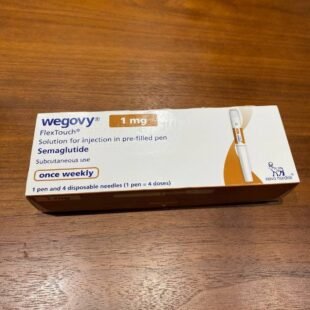
Wegovy 2.4 mg (semaglutide) is a once-weekly long-acting glucagon-like peptide-1 (GLP-1) receptor agonist indicated as the maximum target maintenance dose for chronic weight management and major adverse cardiovascular event (MACE) risk reduction in eligible adult and paediatric patients.
Semaglutide is a synthetic human GLP-1 receptor agonist sharing 94% sequence homology with native human GLP-1. It is chemically modified via an amino acid substitution at position 8 (alanine to -aminobutyric acid) to impart resistance to dipeptidyl peptidase-4 (DPP-4) cleavage, alongside an attached fatty diacid side chain at position 26 via a spacer to facilitate reversible albumin binding. Under the Anatomical Therapeutic Chemical (ATC) system, semaglutide is classified under A10BJ06.
Wegovy 2.4 mg represents the highest approved therapeutic maintenance strength. Depending on regional regulatory presentations, it is supplied either as single-dose pre-filled autoinjector pens delivering a 0.75 mL volume () or multi-dose FlexTouch pens. In the UK, EU, and US, Wegovy is classified as a Prescription Only Medicine (POM).
Semaglutide functions as a selective GLP-1 receptor agonist that binds to and activates central and peripheral GLP-1 receptors:
Central Appetite Regulation: Crosses blood-brain barrier structures to act directly on the arcuate nucleus and lateral hypothalamus, enhancing anorexigenic pro-opiomelanocortin (POMC) neuronal signaling while inhibiting orexigenic neuropeptide Y (NPY) and agouti-related peptide (AgRP) pathways. This increases satiety, reduces hunger, and decreases food cravings.
Gastrointestinal Transit: Delays early postprandial gastric emptying, prolonging gastric distension and physical fullness.
Glycaemic and Metabolic Dynamics: Stimulates glucose-dependent insulin secretion from pancreatic -cells and inhibits glucagon secretion from -cells during elevated plasma glucose levels.
Cardiovascular Protection: Reduces systemic inflammation, improves endothelial function, and lowers systolic blood pressure.
The 2.4 mg weekly dose delivers sustained maximal steady-state receptor activation necessary for significant body weight reduction and clinical cardiovascular risk mitigation.
Licensing for Wegovy 2.4 mg includes:
Chronic Weight Management (Adults): Adjunct to a reduced-calorie diet and increased physical activity for chronic weight management in adults with:
An initial BMI of (obesity), or
An initial BMI of (overweight) in the presence of at least one weight-related comorbidity (e.g., hypertension, type 2 diabetes, dyslipidaemia, obstructive sleep apnoea, or cardiovascular disease).
Cardiovascular Risk Reduction: Reduction of the risk of major adverse cardiovascular events (cardiovascular death, non-fatal myocardial infarction, or non-fatal stroke) in adults with established cardiovascular disease and obesity or overweight.
Paediatric Weight Management ( Years): Adjunct to a reduced-calorie diet and increased physical activity in adolescents aged 12 years and older with an initial BMI at or above the 95th percentile for age and sex (obesity).
Dosing & Escalation Regimen: To minimize gastrointestinal intolerance, treatment follows a mandatory 16-week dose-escalation schedule (0.25 mg, 0.5 mg, 1.0 mg, 1.7 mg, escalating every 4 weeks) reaching the 2.4 mg weekly maintenance dose at Week 17.
Absorption: Absolute bioavailability of subcutaneous semaglutide is approximately 89%. Maximum plasma concentration () is reached 1 to 3 days () post-dose.
Distribution: Semaglutide is bound extensively to plasma proteins (> 99%, primarily human serum albumin). Steady-state volume of distribution () is approximately .
Biotransformation: Semaglutide undergoes extensive metabolic degradation via proteolytic cleavage of the peptide backbone and sequential -oxidation of the fatty acid side chain. It does not rely on cytochrome P450 (CYP) pathways for clearance.
Elimination: Primary elimination routes are renal and faecal, following breakdown into small peptide components. Clearance is low (), resulting in an elimination half-life () of approximately 1 week (7 days), enabling once-weekly subcutaneous administration.
Semaglutide produces substantial reductions in total body weight (primarily body fat mass), decreases visceral adiposity, lowers fasting and postprandial blood glucose, and reduces systolic blood pressure and inflammatory markers.
Very Common (): Nausea, vomiting, diarrhoea, constipation, abdominal pain, headache, fatigue/asthenia.
Common ( to ): Dyspepsia, eructation, flatulence, gastro-oesophageal reflux disease, gastritis, abdominal distension, cholelithiasis, dizziness, hair loss (alopecia), injection site reactions.
Uncommon ( to ): Acute pancreatitis, cholecystitis, elevated heart rate, elevated pancreatic enzymes (lipase, amylase), delayed gastric emptying.
Rare (<1/1,000): Anaphylactic reactions, angioedema, acute kidney injury secondary to dehydration.
Personal or family history of Medullary Thyroid Carcinoma (MTC).
Patients with Multiple Endocrine Neoplasia syndrome type 2 (MEN 2).
Known severe hypersensitivity to semaglutide or any formulation excipients.
Pregnancy and breastfeeding (discontinue at least 2 months prior to a planned pregnancy).
Oral Medications: Semaglutide-induced delayed gastric emptying can alter the rate and absorption profile of concomitantly administered oral medications. Caution is advised with narrow therapeutic index oral drugs.
Insulin and Insulin Secretagogues: When co-administered with sulfonylureas or insulin in patients with type 2 diabetes, the risk of severe hypoglycaemia is increased; dose reductions of insulin or secretagogues may be required.
Acute Pancreatitis: Patients should be observed for severe, persistent abdominal pain radiating to the back. If pancreatitis is suspected, semaglutide must be permanently discontinued.
Gallbladder Disease: Rapid weight loss elevates the risk of cholelithiasis and cholecystitis; clinical evaluation is required if biliary symptoms occur.
Diabetic Retinopathy: Rapid improvement in glycaemic control in patients with type 2 diabetes and pre-existing retinopathy has been associated with temporary worsening of diabetic retinopathy.
Renal Function & Dehydration: Severe gastrointestinal adverse reactions can cause volume depletion, leading to acute renal failure. Patients must maintain adequate fluid intake.
 English English
  German
 Italian
 Dutch
Dutch
 Spanish